Advertisements
Why High Performers Spend Time in Nature (And Why You Should Too)
Here’s a stat that honestly blew my mind: according to a study published in Frontiers in Psychology, just 20 minutes in nature significantly reduces cortisol levels. Twenty minutes! That’s less time than most of us spend doom-scrolling before bed.
I used to think nature walks were for retirees and hippies. Seriously, I did. But then I started noticing something weird — every CEO biography, every peak performance podcast, every ultra-successful person I admired kept mentioning the same thing: they prioritized time outdoors.
So I dug in. And what I found changed my entire morning routine.
The Science Behind High Performers and Nature
There’s a reason top performers aren’t just grinding at their desks 24/7. The human brain was literally not designed for constant screen exposure and artificial lighting. Our nervous systems were built for forests, open skies, and the sound of running water.
Advertisements
Research from the Proceedings of the National Academy of Sciences found that walking in nature decreases activity in the prefrontal cortex region associated with rumination — you know, that annoying mental loop where you replay every mistake you’ve ever made. High achievers use this to their advantage. They step outside to literally reset their brains.
And it’s not just about stress reduction. Nature exposure has been linked to improved creative thinking, better decision-making, and enhanced focus. All things that separate good performers from great ones.
My Own Embarrassing Wake-Up Call
I’ll be honest — I learned this the hard way. About three years ago, I was burning out bad. Like, forgetting-my-own-phone-number bad.
A friend dragged me on a morning hike. I complained the entire drive there. But something shifted about 15 minutes into the trail — my shoulders dropped, my breathing slowed, and I had this clarity about a work problem that had been eating at me for weeks.
That was my turning point. Now I’m basically that annoying person who won’t shut up about outdoor wellness routines.
What High Performers Actually Do Outside
So here’s the practical stuff. Because “spend time in nature” is vague advice, and vague advice is useless.
- Morning sunlight exposure: Many top performers get outside within the first hour of waking. This helps regulate circadian rhythm and boosts serotonin production. Even 10 minutes works.
- Walking meetings: Steve Jobs was famous for this, and plenty of Silicon Valley leaders have adopted the practice. Fresh air plus movement equals better ideas.
- Forest bathing: This Japanese practice called shinrin-yoku involves slow, mindful walks through wooded areas. It sounds woo-woo, but the research behind it is rock solid.
- Digital detox in nature: Some executives schedule weekend outdoor time with absolutely no devices. The mental clarity that comes from unplugging in a natural setting is honestly unmatched.
- Outdoor exercise: Running trails instead of treadmills, swimming in open water, or even just doing yoga in the backyard. The combination of physical activity and nature exposure is like a double shot of cognitive enhancement.
You Don’t Need a Mountain Retreat
Here’s where people get tripped up. They think spending time in nature means booking a cabin in the Rockies or hiking the Appalachian Trail. Nah.
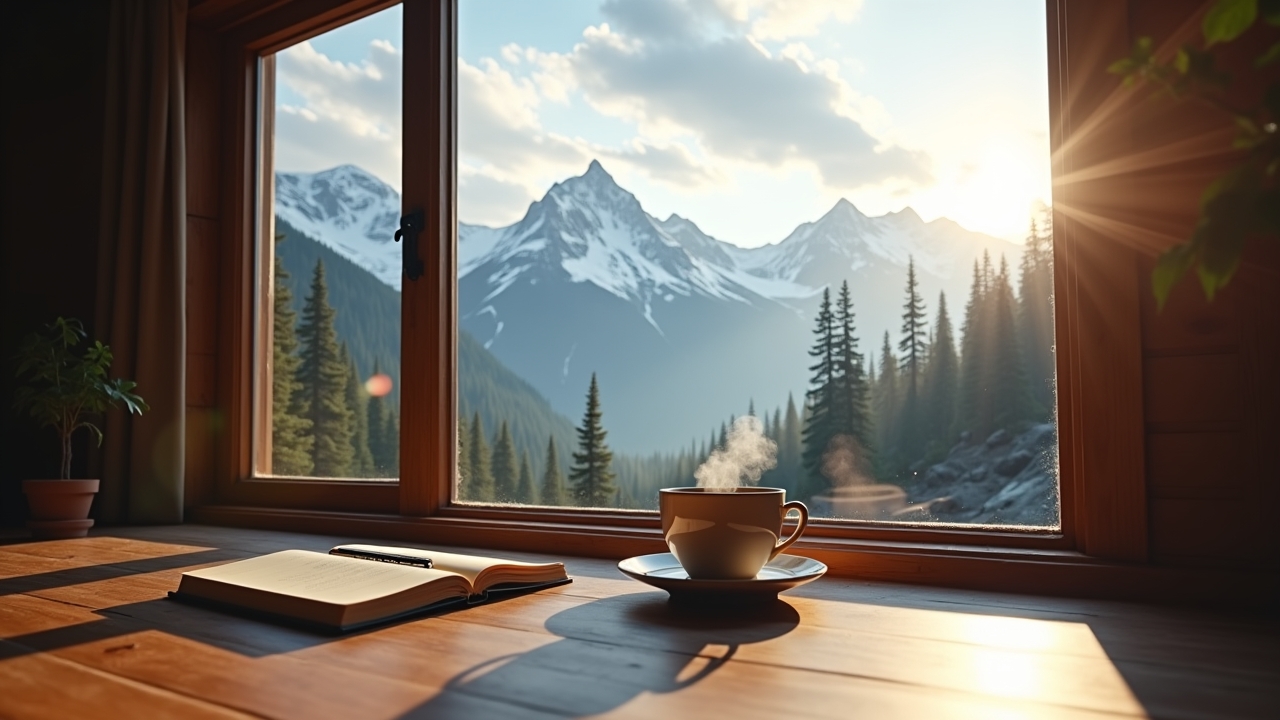
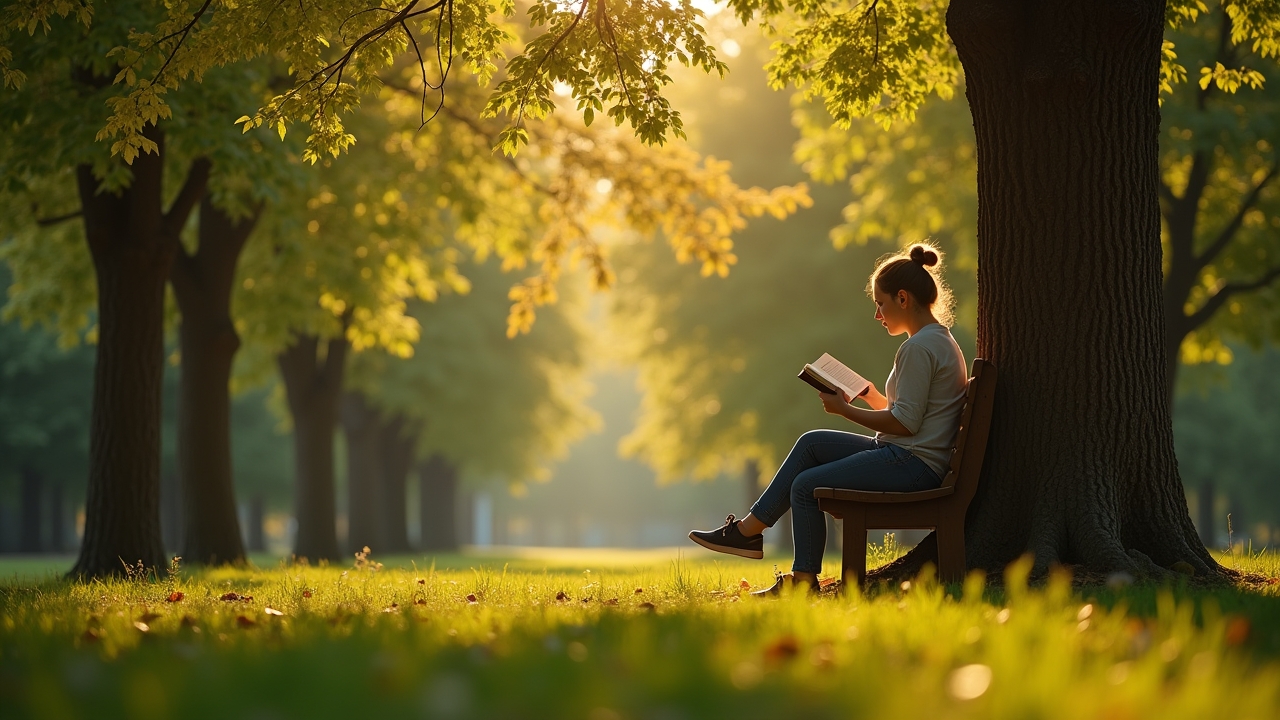
A park bench works. Your backyard counts. Even sitting near a window with a view of trees has been shown to have measurable benefits, according to research from the American Psychological Association. The point is consistency, not grandeur.
I started with five minutes of coffee on my porch every morning. That’s it. Over time, it naturally expanded into longer walks and weekend hikes. Small steps, big results.
Your Turn to Step Outside
Look, the connection between high performers and time in nature isn’t some coincidence. It’s a deliberate strategy backed by neuroscience and practiced by some of the most productive people on the planet. You don’t need to overhaul your life — just start small and stay consistent.
Of course, everyone’s different. Adapt this to what works for your schedule and your environment. And please, wear sunscreen and stay hydrated if you’re spending extended time outdoors — basic stuff that people somehow still forget.
If this resonated with you, head over to AM Ritualist for more posts on building morning routines that actually stick. Your best day might just start with a little fresh air.