Advertisements

Notification Overload: The Real Brain Cost Nobody Talks About
I checked my phone 127 times yesterday. I know because I finally installed an app to track it, and honestly? I almost threw my phone across the room when I saw that number. If you think that sounds crazy, buckle up, because the average person checks their phone somewhere between 96 and 144 times a day according to Asurion’s research. That’s basically once every ten minutes we’re awake!
Here’s the thing though. This isn’t just a “bad habit” problem. Your brain is literally paying a tax every single time that little red dot pops up. And most of us have no idea how expensive that tax really is.
My Wake-Up Call (Literally)
So a few months back I was writing what I thought was a pretty important email to a client. Three sentences in, ding. Slack notification. I glanced at it (big mistake), replied real quick, then tried to get back to my email. Except I couldn’t remember what I was even trying to say anymore. I sat there staring at my screen like an idiot for a solid two minutes.
That’s when I started reading about something called “attention residue.” Basically, when you switch tasks, part of your brain stays stuck on the old task even after you’ve moved on. Researcher Sophie Leroy coined this term, and her original study showed that this residue actually hurts performance on whatever you do next. It’s not just annoying, it’s measurable.
Advertisements
What’s Actually Happening in Your Skull
Let me break this down without getting too science-teacher on you (even though, yeah, I basically am one).
Every notification triggers a tiny release of dopamine. Your brain doesn’t know the difference between an important text from your mom and a “someone liked your photo” alert. It just knows something new happened, and new things are exciting.
- Each interruption forces your brain to switch context, which burns mental energy
- It can take up to 23 minutes to fully refocus after a distraction, according to research from UC Irvine’s Gloria Mark
- Constant checking trains your brain to crave novelty instead of depth
- Cortisol (your stress hormone) creeps up with each unexpected ping
That 23-minute stat still blows my mind honestly. I read Gloria Mark’s actual study and it made me feel a little sick thinking about how many “23 minutes” I’ve lost this year alone.
The Sneaky Costs You Don’t Notice
Here’s what nobody warns you about. It’s not just lost time, it’s lost quality of thought.
I used to pride myself on being a “good multitasker.” Turns out that’s basically a myth. Your brain isn’t multitasking, it’s rapidly switching between tasks, and each switch has a cost. Stanford researchers found that people who multitask heavily are actually worse at filtering irrelevant information than people who focus on one thing at a time. Kinda humbling, right?
There’s also the emotional cost. I noticed I was more irritable on days packed with notifications. Little things annoyed me more. My patience was shot by 3pm most days, and I didn’t even connect it to my phone habits until I started paying attention.
What Actually Helped Me (Trial and Error Included)
I tried a bunch of stuff. Some worked, some was a total waste of time.
Turning off all notifications cold turkey? Didn’t last. I felt disconnected and honestly kind of anxious, like I was missing something important. So I found a middle ground instead.
- I turned off notifications for every app except texts and calls from close family
- I set specific “check times” for email and social media, like 10am, 1pm, and 5pm
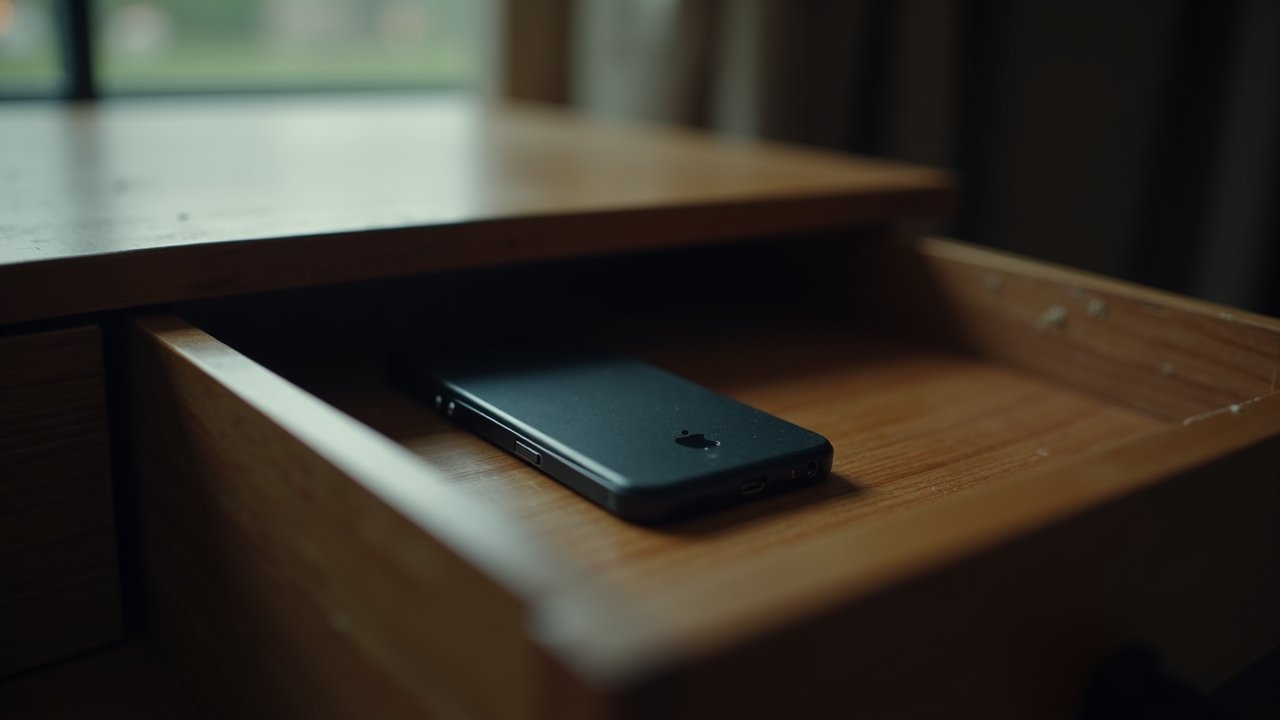
- I moved my phone to another room while doing deep work (sounds simple, works shockingly well)
- I used grayscale mode on my phone, which sounds weird but it made scrolling way less appealing
- I started batching Slack replies instead of responding instantly to every message
The batching thing was hard at first. My team probably thought I fell off the face of the earth for a few hours. But once I explained I was doing focused work blocks, everyone actually respected it more than I expected.
It’s Not About Willpower, It’s About Systems
I used to think people who weren’t glued to their phones just had better self control than me. Nope. They just built better systems. Willpower runs out by 2pm, systems don’t.
Small changes compound though. Once I stopped getting interrupted every ten minutes, my work actually got better, not just faster. I noticed I was thinking more clearly, catching mistakes before they became problems, and honestly enjoying my work more because I wasn’t constantly frazzled.
Where This Leaves Us
Look, I’m not saying throw your phone in a lake (although some days, tempting). Notifications exist for good reasons sometimes. But the constant, unfiltered stream of pings, dings, and buzzes is quietly draining your brain’s resources in ways most of us never even question.
Play around with what I mentioned above and figure out what actually fits your life, because what worked for me might feel impossible for you, and that’s totally fine. Everyone’s relationship with their phone looks a little different.
Just remember to be kind to yourself while you experiment. This isn’t about perfection, it’s about awareness. And hey, if you’re the type who likes digging deeper into habits, mindset, and daily rituals that actually make