
Advertisements
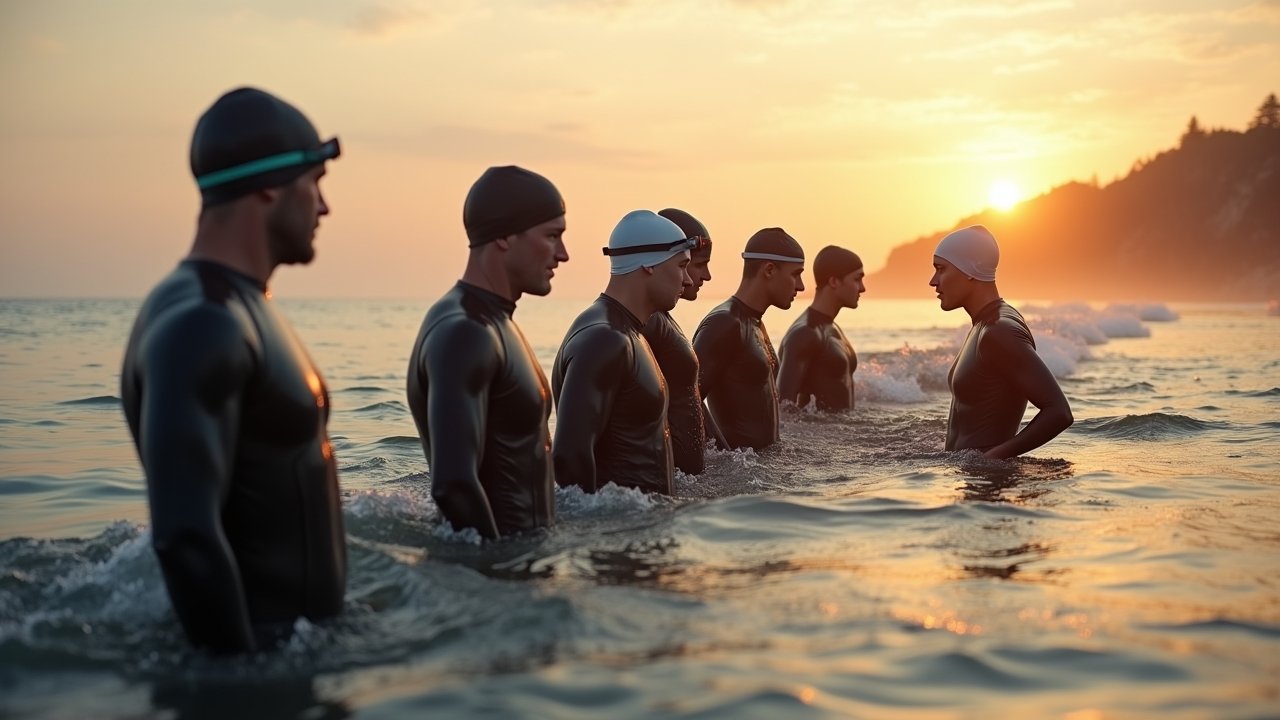
Open Water Swimming Safety Tips: What I Wish I Knew Before My First Lake Swim
Did you know that open water swimming accidents send way more people to the hospital each year than pool incidents? Yeah, I read that stat after my first sketchy lake swim, and honestly, it scared me straight! There’s something about jumping into a lake or ocean without lane lines and lifeguards every ten feet that makes your brain go “wait, what am I doing here?” I get it, though. Open water swimming is genuinely one of the best feelings in the world once you know what you’re doing.
I’ve been swimming in open water for about six years now, and I’ve made basically every mistake you can make. Some of them were embarrassing. One of them nearly got me in real trouble. So I figured I’d share what I’ve learned the hard way, so you don’t have to learn it the same way I did.
Always Check Conditions Before You Even Think About Getting Wet
My buddy Rick used to say “the water doesn’t care about your plans,” and man, was he right. I once ignored a small craft advisory because the sky looked fine from the parking lot. Big mistake. The current near the shore was way stronger than it looked, and I spent twenty minutes just fighting to get back to where I started.
- Check wind speed and wave height forecasts, not just the temperature.
- Look up water temperature separately, it’s often colder than you’d think, even in summer.
- Ask locals or lifeguards about currents, tides, and any recent hazards.
- Sites like NOAA’s marine forecast are genuinely useful, not just for boaters.
This step gets skipped a lot, especially by folks who are excited and just want to jump in. Don’t be that guy. I was that guy, and it wasn’t fun.
Advertisements
Never Swim Alone (Even When You Really Want To)
There’s a certain peace that comes with solo swims, I won’t lie. But open water is unpredictable, and if something goes wrong, there’s nobody around to help. A cramp, a jellyfish sting, sudden fatigue, these things happen fast and can turn dangerous quick.
I learned this lesson when I got a calf cramp about 200 meters offshore. It was terrifying, honestly. I somehow made it back, mostly by floating and waiting it out, but I was shaken for days after. Now I always swim with a partner or at least tell someone exactly where I’ll be and for how long.
- Use the buddy system, always.
- If swimming solo is unavoidable, tell someone your route and expected return time.
- Consider a tow float, they’re cheap and can literally save your life.
Wear the Right Gear, Not Just Whatever’s in Your Drawer
I used to think a swimsuit was enough. It’s not, especially in colder water or longer swims. A wetsuit isn’t just for triathletes trying to look cool, it actually helps with buoyancy and keeps your core temperature stable, which matters more than people realize.
Bright colored swim caps matter too. Boats and jet skis genuinely have trouble seeing swimmers, and a neon cap makes you way more visible. I switched from a black cap to a bright orange one after a boat came closer than I’d like to admit. Scared the heck out of me.
- Wetsuits help with buoyancy and temperature regulation.
- Bright caps improve visibility to boats and other swimmers.
- Tow floats double as flotation devices and visibility markers.
- Goggles with good peripheral vision help you spot obstacles and other swimmers.
Know How to Handle Panic, Because It Will Happen
Open water panic is real, and it sneaks up on you. The first time it happened to me, I was maybe 100 meters from shore, and suddenly my brain just decided the water was too deep, too dark, too much. I froze for a second. My heart was pounding, and I genuinely thought about calling for help even though nothing was physically wrong.
What helped was learning to just float on my back and breathe. Sounds simple, but it works. The RNLI’s Float to Live technique is something every open water swimmer should practice before they actually need it.
- Practice floating on your back in calm water first.
- Focus on slow, controlled breathing if panic starts.
- Remind yourself that floating costs zero energy, unlike thrashing around.
Acclimate Slowly, Don’t Just Dive In Like a Maniac
Cold water shock is a legitimate thing, and it’s not something you build tolerance to overnight. I used to just sprint in and dive, thinking I was being brave. Really I was just risking hyperventilation and increasing my heart rate way faster than my body could handle.
Now I wade in slowly, splash water on my neck and face first, and give myself a few minutes before swimming hard. It’s not as dramatic, sure, but it’s smarter. And honestly, after a few swims, it becomes second nature.
- Enter the water gradually, especially in cold conditions.
- Splash your face and neck before submerging fully.
- Give your body a few minutes to adjust before swimming at full effort.
Learn the Local Wildlife and Hazards
Every body of water has its own quirks. Jellyfish in one spot, strong rip currents in another, maybe even boat traffic lanes you didn’t know existed. I once swam through a patch of jellyfish that, thankfully, weren