Advertisements
Why I Started Taking “Forest Naps” Instead of Vacations
Did you know that a study from the American Psychological Association found that just 20 minutes in nature can significantly lower stress hormone levels? I didn’t know that either, back when I was a stressed-out marketing director who thought “recovery” meant sleeping in until 8am on a Saturday. Boy, was I wrong!
Nature immersion executive recovery isn’t some fluffy wellness trend cooked up by people with too much vacation time. It’s actually backed by science, and I learned that the hard way after burning out so badly I couldn’t remember my own assistant’s name for a solid week.
My Burnout Wake-Up Call
Three years ago, I was running on caffeine and pure spite. I’d wake up, check emails before my feet hit the floor, and somehow convinced myself that skipping lunch made me “efficient.” It didn’t. It made me a jerk who snapped at people in meetings.
My doctor basically told me I was heading toward a full breakdown. She recommended something that sounded ridiculous at the time: go sit in the woods.
Advertisements
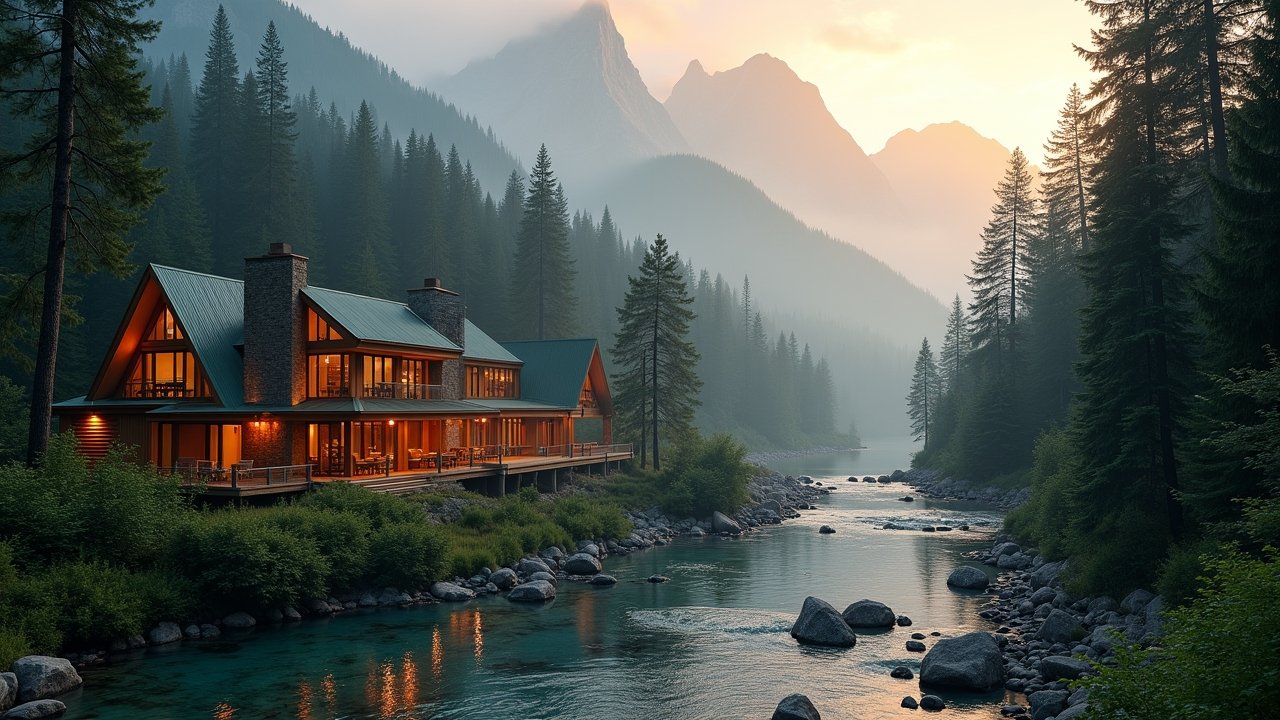
I laughed. Actually laughed out loud in her office. But desperation makes you try weird things, so I booked a weekend at a cabin with zero cell service. That first night, I couldn’t sleep because my brain kept buzzing for notifications that weren’t coming. By day two, something shifted. I noticed birds. I noticed my own breathing. It was weirdly emotional, and I’m not usually a crier.
What Nature Immersion Actually Does to Executive Brains
Here’s the thing nobody tells you: executives and high-stress professionals have brains that are basically stuck in fight-or-flight mode most of the day. Nature immersion, sometimes called “forest bathing” or shinrin-yoku (a Japanese practice), helps reset that system.
Research published by the National Library of Medicine shows that time spent in forested environments reduces cortisol, lowers blood pressure, and improves heart rate variability. In plain English: your body finally gets to stop bracing for the next crisis.
- Lower cortisol means better sleep and clearer thinking
- Improved heart rate variability translates to better stress resilience at work
- Time away from screens allows the prefrontal cortex to actually rest
Mistakes I Made (So You Don’t Have To)
My first attempt at nature immersion was honestly a disaster. I brought my laptop “just in case.” I checked it twice. I also tried to cram a five-day retreat into one lunch break in a nearby park, which, spoiler alert, does not work the same way.
I also made the classic mistake of treating it like a productivity hack, like I was trying to optimize my relaxation. That’s missing the entire point. You can’t rush restoration, and trust me, I tried.
Eventually I figured out a rhythm that actually worked for my ridiculous executive schedule. It wasn’t perfect, and some weeks I still failed miserably, but progress isn’t linear, right?
Practical Tips for Actual Executive Recovery
If you’re a busy professional who thinks you don’t have time for this, I get it. I thought the same thing. But here’s what helped me build nature immersion into a real recovery habit instead of an occasional fluke.
- Start small: even 20 minutes in a local park during lunch counts, according to Frontiers in Psychology
- Leave your phone in the car, or at least in airplane mode
- Try walking without a destination or podcast playing in your ears
- Schedule quarterly “deep immersion” weekends, even if it’s just a state park nearby
- Notice small things: bark texture, bird calls, the smell after rain
One thing that helped me a ton was journaling right after these sessions. Not fancy journaling, just scribbles about how my body felt, what thoughts popped up, stuff like that. It became this weird little ritual that made the recovery stick instead of fading by Monday morning.
When Frustration Turned Into Triumph
I won’t lie, there were sessions where I sat under a tree annoyed, thinking this was a waste of time I didn’t have. Meetings were piling up back at the office and my brain was still spinning about deadlines. But somewhere around month three of doing this regularly, I noticed I wasn’t snapping at people anymore. My assistant actually commented on it, which honestly embarrassed me a little.
That shift, from constantly reactive to actually present, felt like winning something bigger than any quarterly bonus ever did.
Making This Work for Your Own Life
Nature immersion executive recovery isn’t a one-size-fits-all prescription. Some people need full weekend retreats, others just need a daily walk around the block without their phone. Figure out what fits your actual schedule and stress level, then adjust as you go.
Also, please don’t do anything unsafe, like wandering alone into unfamiliar wilderness without telling someone where you’re headed. Basic safety still matters even when you’re trying to de-stress!
If you found this helpful and want more real talk about recovery, wellness, and cutting through corporate burnout culture, check out more posts over at AM Ritualist’s blog. There’s a whole community of people figuring this stuff out together, one imperfect step at a time.