Advertisements
Kayaking Fitness: The Low Impact Workout That Changed How I Exercise
Here’s a stat that honestly blew my mind — kayaking can burn between 300 and 500 calories per hour, and it does it without absolutely destroying your joints. I stumbled into this whole kayaking fitness thing almost by accident a few years back, and I gotta say, it’s been one of the best decisions I’ve ever made for my body. If you’re someone who’s tired of high impact workouts leaving you sore and cranky, stick around because this one’s for you!
How I Accidentally Discovered Kayaking as Exercise
So I used to be a runner. Like, annoyingly into it. But somewhere around 38, my knees started screaming at me after every single jog, and I was honestly getting frustrated.
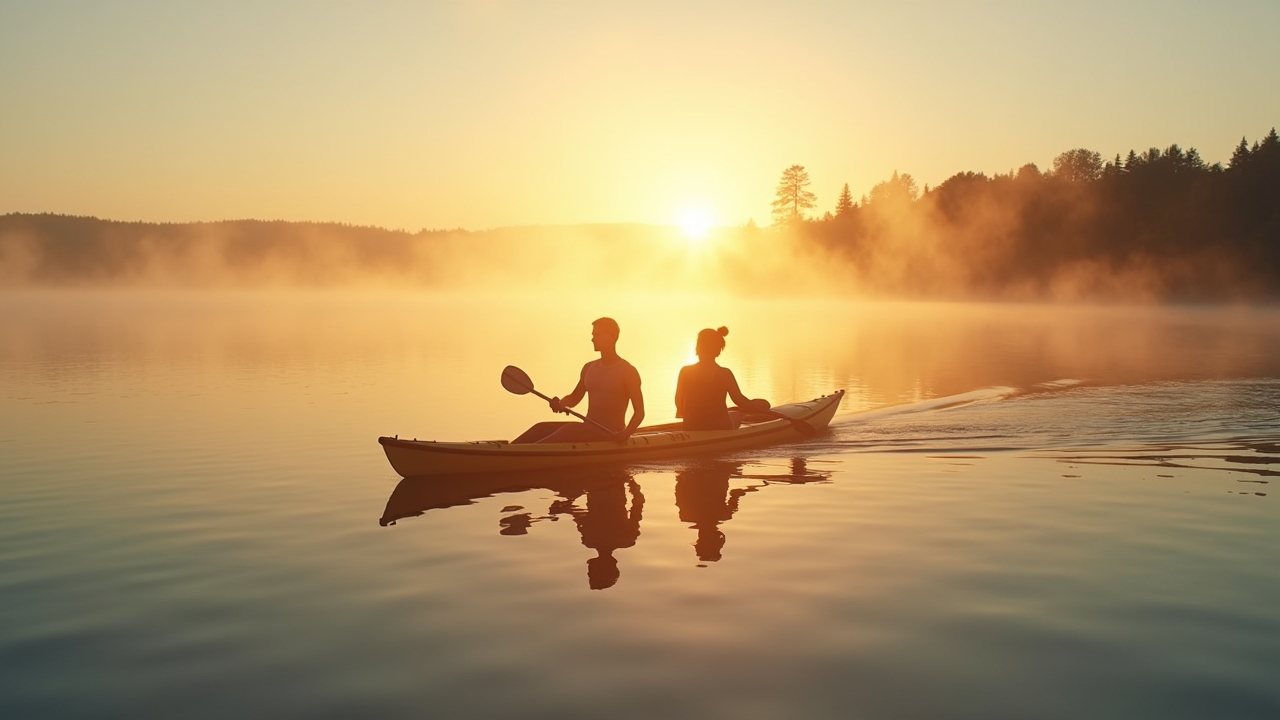
A buddy invited me out kayaking one Saturday morning, and I figured it’d be a chill float-around-the-lake kind of day. Wrong. Within 20 minutes my arms were burning, my core was on fire, and I was sweating like I’d just done a full gym session. That was the moment I realized paddling was a legit full body workout hiding in plain sight.
Why Kayaking Is the Ultimate Low Impact Workout
Let me break this down real quick. Low impact exercise means your joints aren’t taking a beating with every movement. There’s no pounding pavement, no jarring landings — just smooth, fluid motion against the water’s resistance.
Advertisements
When you’re paddling, you’re engaging your shoulders, back, arms, and core with every single stroke. Your legs are bracing against the footpegs for stability, so even they’re getting worked. It’s basically a seated total body workout that happens to take place in some of the most beautiful settings imaginable.
And here’s what I love most — the water provides natural resistance that’s completely adjustable. Paddle harder, get more resistance. Want to take it easy? Just slow your stroke rate down. It’s kind of perfect for people at any fitness level, honestly.
The Muscles You’re Actually Working
People always assume kayaking is just an arm workout. Nope. Not even close.
- Core muscles: Your abs and obliques are constantly engaged for rotation and balance.
- Upper back and lats: These do the heavy lifting during each paddle stroke.
- Shoulders and arms: Obviously these get worked, but maybe not as much as you’d think relative to the core.
- Legs and glutes: They’re pressing and bracing the whole time for stability and power transfer.
- Grip and forearm strength: Holding that paddle for an hour builds some serious endurance in your hands.
I remember being shocked that my abs were sore the day after my first real paddle session. Like, genuinely confused for a minute before it clicked — all that rotational movement is basically doing Russian twists for an hour straight.
Practical Tips From Someone Who Learned the Hard Way
First thing — please invest in a decent paddle. I cheap’d out on my first one and my shoulders were wrecked after every outing. A lighter paddle with proper blade sizing makes a massive difference in joint comfort, which kinda defeats the purpose of a low impact workout if you ignore it.
Start with shorter sessions, maybe 30 to 45 minutes. I made the mistake of going on a two-hour paddle my third time out and could barely lift my arms the next day. Your cardiovascular endurance might be fine, but your paddling-specific muscles need time to adapt.
Also, focus on your torso rotation rather than pulling with your arms. This was a game changer for me. When you rotate from the core, the power comes from your biggest muscle groups, and it protects your shoulders from overuse injuries. The American Canoe Association has some great resources on proper technique if you want to dive deeper.
Your Paddle Is Waiting
Kayaking fitness isn’t some trendy gimmick — it’s a genuinely effective low impact workout that builds strength, improves cardiovascular health, and honestly just makes you feel good. Whether you’re recovering from an injury, dealing with joint issues, or simply bored of the gym, getting on the water might be exactly what your body needs.
Just remember to wear a life jacket, start slow, and listen to your body. Everyone’s fitness journey looks different, so adapt what works for you. If you’re looking for more ways to build healthy routines into your life, check out the AM Ritualist blog for more ideas that’ll keep you moving and feeling great!