Advertisements
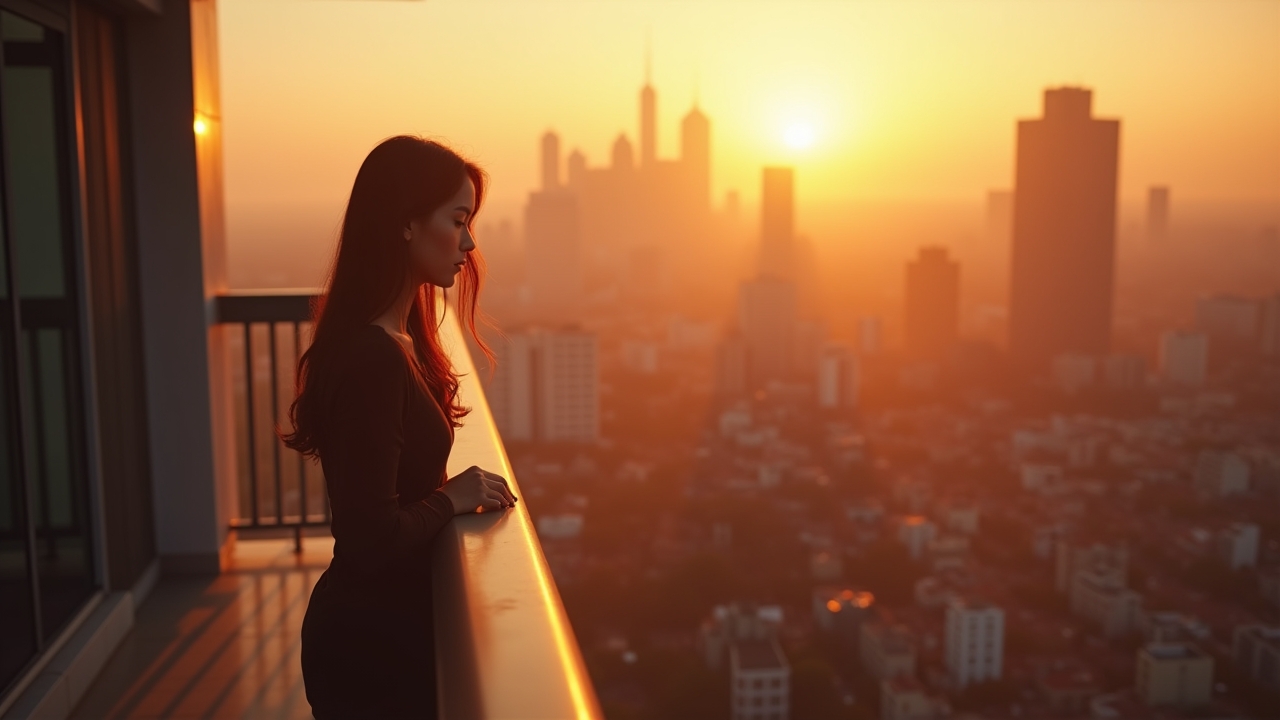
How Watching Sunsets Can Actually Improve Your Sleep Quality
Here’s a stat that honestly blew my mind: roughly 70 million Americans suffer from chronic sleep problems, according to the National Heart, Lung, and Blood Institute. I was one of them for years. And the thing that finally started turning my sleep around wasn’t some fancy supplement or a weighted blanket — it was watching sunsets.
I know, I know. It sounds almost too simple, maybe even a little woo-woo. But the connection between watching sunsets and sleep quality is backed by real science, and I’m gonna walk you through exactly why it works and how I stumbled onto this accidental sleep hack.
The Science Behind Sunset Light and Your Circadian Rhythm
So here’s the deal. Your body runs on an internal clock called your circadian rhythm, and it’s heavily influenced by light exposure. When your eyes take in the warm, amber-toned light of a sunset, it actually signals your brain to start producing melatonin — that’s the hormone that makes you feel sleepy.
This was explained way better than I ever could by neuroscientist Dr. Andrew Huberman on his podcast. He talks about how viewing low solar angle light in the evening helps calibrate your body’s internal clock. Essentially, sunset light tells your brain, “Hey, nighttime is coming, start winding down.”
Advertisements
Before I learned this, I was doing everything wrong. I’d be staring at my phone screen right up until bedtime, bathing my eyeballs in blue light, and then wondering why I couldn’t fall asleep. The irony was not lost on me.
My Accidental Discovery
About two years ago, I started taking evening walks after a particularly stressful semester at school. Teaching middle schoolers all day will do that to you. I wasn’t trying to fix my sleep — I just needed to decompress and get some fresh air.
My route happened to face west, and I’d catch the sunset almost every night. After maybe two weeks, I noticed something weird. I was falling asleep faster, and I wasn’t waking up at 3 AM staring at the ceiling like some kind of stressed-out owl.
At first I thought it was just the exercise helping. But on days when I drove somewhere and watched the sunset without walking much, the effect on my sleep was still there. That’s when I got curious and started reading about natural light exposure and sleep regulation.
Practical Tips for Making Sunset Viewing a Sleep Habit
Alright, so you’re convinced — or at least curious. Here’s what’s worked for me and some stuff I messed up along the way so you don’t have to.
- Aim for 10-20 minutes of exposure. You don’t need to sit outside for an hour. Just get your eyes on that evening sky for a bit. No sunglasses, but also don’t stare directly at the sun — that should go without saying, but I’m a teacher, so I’m saying it.
- Be consistent. Your circadian rhythm loves routine. Try to watch the sunset at least 4-5 times a week. I missed a whole week once during a rainy stretch and my sleep quality definitely dipped.
- Ditch the phone. This was hard for me. The temptation to scroll or take photos is real. But the whole point is to let the natural light do its thing without competing with artificial blue light from screens.
- Combine it with other relaxation techniques. I sometimes do a little deep breathing while I watch. It’s not meditation exactly — more like just being intentionally chill for a few minutes.
- Track your results. I used a basic sleep diary for a month and was genuinely surprised at the improvement. My average time to fall asleep dropped from about 45 minutes to around 20.
One Last Thing Before You Head Outside
Look, watching sunsets isn’t going to cure serious insomnia or replace medical advice if you’ve got a real sleep disorder. Please talk to a doctor if your sleep problems are severe. But as a simple, free, and honestly beautiful addition to your evening routine, sunset viewing is one of the best natural sleep aids I’ve ever tried.
The best part? It costs nothing and it forces you to slow down for a few minutes every day. In a world that’s constantly demanding our attention, that alone feels like a win. So tonight, try stepping outside and catching that golden hour light — your brain will thank you later.
If you’re into building better morning and evening rituals, check out more posts over at AM Ritualist — we’re all about small habit changes that actually stick.