Advertisements

Red Light Therapy vs. Natural Sunlight: What I Wish I Knew Before Spending $400 on a Panel
Here’s a stat that honestly blew my mind — over 50 million Americans are estimated to be vitamin D deficient, according to the National Institutes of Health. And yet, we’re all walking around with access to the most powerful light source in the universe literally hanging above our heads. I got obsessed with red light therapy about two years ago, and my journey down that rabbit hole taught me a ton about how both red light therapy and natural sunlight affect our bodies. Spoiler: they’re not the same thing, but they’re not enemies either!
What Red Light Therapy Actually Does
So red light therapy, sometimes called photobiomodulation, uses specific wavelengths of light — typically between 630 and 850 nanometers — to penetrate your skin and stimulate cellular energy production. Basically, it’s like giving your mitochondria a cup of coffee. I bought my first panel after reading about its benefits for skin health, muscle recovery, and even mood support.
The thing is, I was using it wrong for like three months. I’d stand way too far from the panel, maybe six feet away, thinking more distance meant “gentler” treatment. Turns out, you need to be about 6 to 12 inches from the device for the wavelengths to actually reach your cells effectively. Once I fixed that, I genuinely noticed improvements in my sleep quality and some stubborn joint pain I’d been dealing with.
Natural Sunlight: The OG Light Therapy
Here’s where things get interesting. Natural sunlight contains the full spectrum of light — infrared, visible light, ultraviolet, all of it. Red light therapy panels only emit a narrow band of that spectrum. The sun has been doing this work for free since, well, forever.
Advertisements
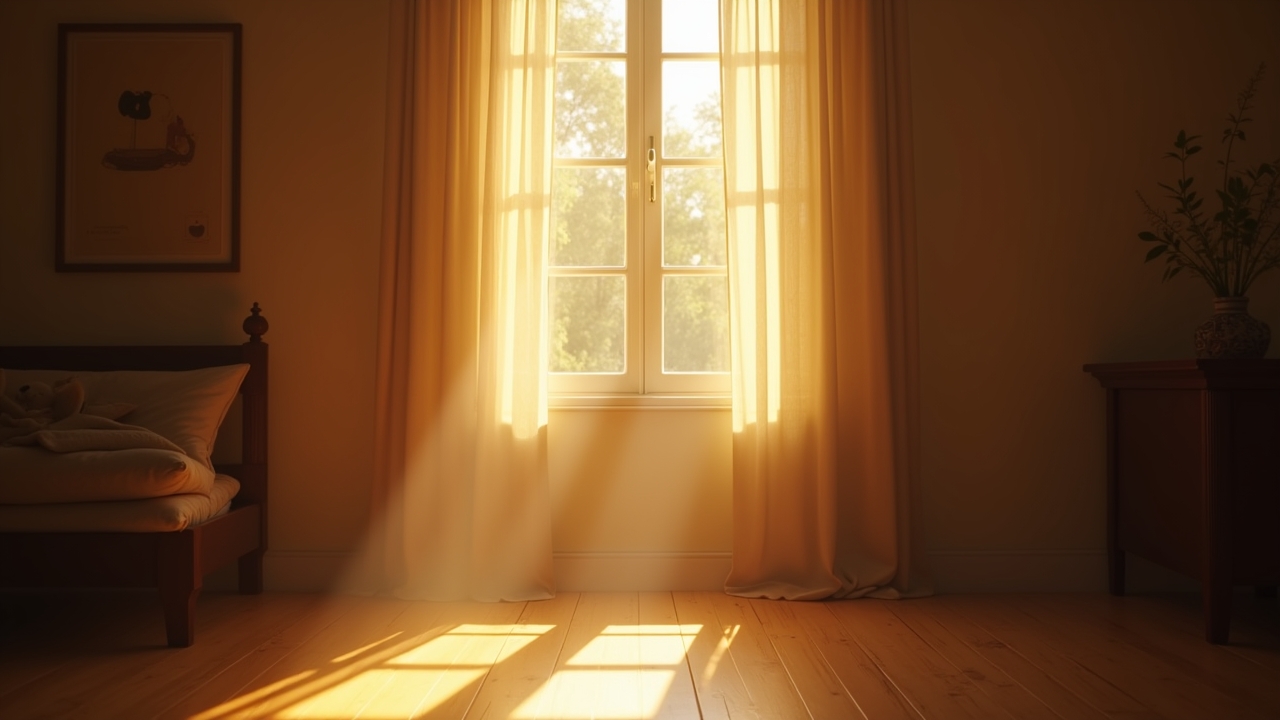
Morning sunlight exposure is particularly powerful for setting your circadian rhythm, which affects everything from your sleep to your hormones. I started taking 10-minute morning walks without sunglasses — something I picked up from listening to neuroscientist Andrew Huberman — and the difference in my energy levels was honestly kind of wild. My morning grogginess basically disappeared within a week.
But sunlight also comes with UV radiation, which is both a blessing and a curse. You need some UV exposure for vitamin D synthesis, but too much can damage your skin. It’s a balancing act that red light therapy doesn’t require you to worry about.
Can You Use Both Together?
Absolutely, and this is where I think most people get it twisted. Red light therapy and natural sunlight aren’t competing with each other. They complement each other beautifully. I use morning sunlight for circadian regulation and vitamin D, and then I’ll do a 10-15 minute red light therapy session in the evening for recovery and skin benefits.
One mistake I made early on was thinking red light therapy could replace sunlight entirely. It can’t. Your body needs the broad-spectrum exposure that only the sun provides for processes like serotonin production and hormonal balance. Red light panels are a targeted tool, not a sun replacement.
My Practical Setup That Actually Works
- Morning: 10-15 minutes of direct sunlight within the first hour of waking
- Afternoon: Brief outdoor breaks when possible, even on cloudy days
- Evening: 10-minute red light therapy session, focusing on face and any sore muscles
- Winter months: Increased red light therapy sessions to compensate for less natural light
Who Should Consider Red Light Therapy Over Sunlight?
If you live somewhere with long, dark winters — I’m looking at you, Pacific Northwest — red light therapy is kind of a game-changer. People with photosensitivity conditions or those on medications that increase sun sensitivity can also benefit massively from the controlled wavelengths of a red light panel. It was also found helpful for people dealing with seasonal affective disorder, according to research published on PubMed.
That said, nothing beats free. If you have access to safe sun exposure, use it first.
The Bottom Line From Someone Who’s Tried It All
Don’t overthink this. Get your morning sunlight, use red light therapy as a supplement when it makes sense, and listen to your body. Everyone’s skin type, location, and lifestyle is different, so customize what works for you. And please — always check with your doctor before starting any new wellness routine, especially if you have skin conditions or are on medications.
If you’re curious about building better morning routines around light exposure and wellness, check out more posts on AM Ritualist — we’re all about making mornings work harder for you.