Advertisements
I Tried a Week Without Smartphone Challenge — Here’s What Actually Happened
Did you know the average person checks their phone 144 times a day? Yeah, that stat hit me like a brick wall. I’d been feeling this constant buzzing anxiety, like my brain was always “on,” and I finally decided to do something kinda radical about it. I committed to a full week without smartphone challenge, and honestly, it was one of the weirdest and most eye-opening experiences of my life!
Digital detoxing has been getting a lot of attention lately, and for good reason. Our screen time habits are literally rewiring our brains. So let me walk you through what happened when I put my phone in a drawer for seven whole days.
Why I Decided to Ditch My Phone for a Week
Look, I’m not some anti-technology guy living off the grid. I’m a regular person who was just tired of doom-scrolling at 11 PM and waking up exhausted. My phone had basically become an extension of my hand, and that freaked me out a little.
The tipping point was when my kid asked me a question and I literally said “hold on” three times because I was reading some random article I don’t even remember now. That moment stung. I figured if I couldn’t put it down voluntarily, maybe I needed to go cold turkey.
Advertisements
The First 48 Hours Were Brutal (No Sugarcoating)
Day one felt like I’d lost a limb. I kept reaching into my pocket for a phone that wasn’t there — it was almost comical. The phantom vibrations were real, and I felt genuinely restless.
By day two, the boredom was intense. I didn’t know what to do with my hands during downtime. Standing in line at the grocery store without scrolling through Instagram felt like an eternity. But here’s the thing — I actually noticed the people around me for once, which was kind of nice.
One practical tip: I bought a cheap alarm clock before starting because my phone was also my morning alarm. Don’t skip that step or you’ll oversleep on day one like I almost did.
What Surprised Me the Most
Around day three or four, something weird happened. My brain got quieter. Like, noticeably quieter. I wasn’t constantly processing notifications and updates and texts, and the mental clarity was something I hadn’t felt in years.
I started reading actual books again. Picked up a novel that had been collecting dust on my nightstand for months. I also slept way better — my sleep quality improved dramatically without that blue light exposure before bed, which studies have shown seriously messes with your circadian rhythm.
The social side was tricky though. Friends thought I was ghosting them. I had to warn people beforehand, and even then some folks got annoyed. That part was frustrating, not gonna lie.
Practical Tips If You Want to Try This Yourself
After going through it, here’s what I’d recommend for anyone considering a phone-free week:
- Tell your close contacts ahead of time so nobody panics
- Get a basic alarm clock and a cheap wristwatch
- Print out any directions or recipes you might need
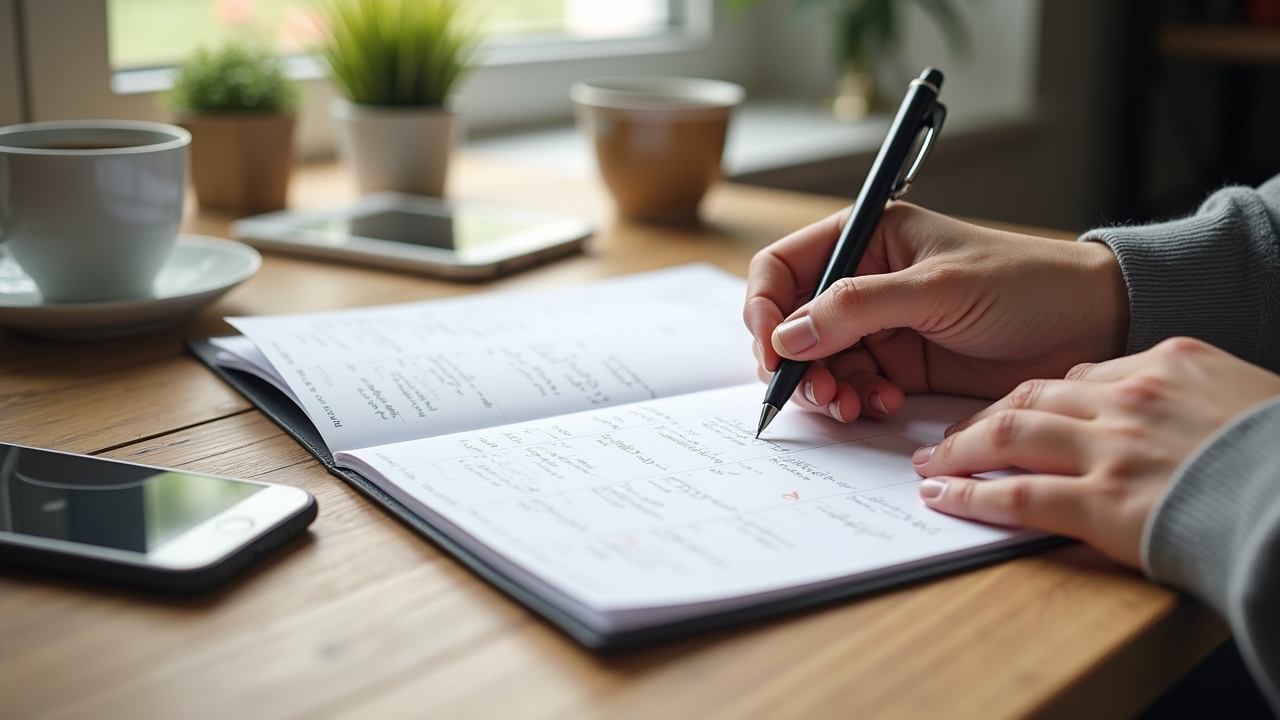
- Keep a journal to track how you’re feeling each day
- Use a laptop for truly essential emails — but set specific times for it
- Have a buddy do the challenge with you for accountability
The smartphone addiction struggle is real, and you don’t have to be perfect about it. Even doing a weekend without your phone is a solid start. The goal isn’t punishment — it’s awareness.
Would I Do It Again? Here’s My Honest Take
A full week was tough, and I probably wouldn’t do it regularly. But it completely changed my relationship with my device. Now I keep my phone in another room during meals and turn it off an hour before bed. These small mindful technology habits have stuck with me months later.
The challenge taught me that most of what feels “urgent” on our phones really isn’t. We survived just fine before smartphones, and that perspective was worth every uncomfortable moment of the detox.
If you’re feeling overwhelmed by screen time, start small. Maybe try a phone-free evening first and build from there. Your brain will thank you for it. And if you’re looking for more tips on building healthier daily routines and intentional habits, check out more posts on AM Ritualist — there’s plenty of stuff there to help you design mornings and days that actually feel good.