Advertisements
Nature Walks Lower Cortisol: How 20 Minutes Outside Changed My Stress Levels Forever
Here’s a stat that honestly blew my mind — a 2019 study published in Frontiers in Psychology found that just 20 minutes of walking in nature can significantly lower cortisol levels. Twenty minutes! I remember reading that on a particularly rough Wednesday evening, slumped on my couch after back-to-back meetings, thinking there’s no way it’s that simple. But spoiler alert: it kind of is.
What Even Is Cortisol and Why Should You Care?
So cortisol gets called the “stress hormone,” and honestly that’s a pretty fair nickname. It’s produced by your adrenal glands and it spikes when you’re anxious, overwhelmed, or running on fumes. A little bit of cortisol is totally normal and even helpful — it’s what gets you out of bed in the morning.
The problem is when cortisol stays elevated for too long. Chronic high cortisol has been linked to weight gain, sleep problems, weakened immunity, and even increased risk of heart disease. I didn’t take any of this seriously until my doctor told me my own stress markers were “concerning.” That was a wake-up call, let me tell you.
My First Real Nature Walk (And How I Almost Quit)
I’ll be honest — my first attempt at a stress-reducing nature walk was kind of a disaster. I drove to a local trail, forgot water, wore the wrong shoes, and spent most of the time checking my phone. I came home thinking, “Well that was pointless.”
Advertisements
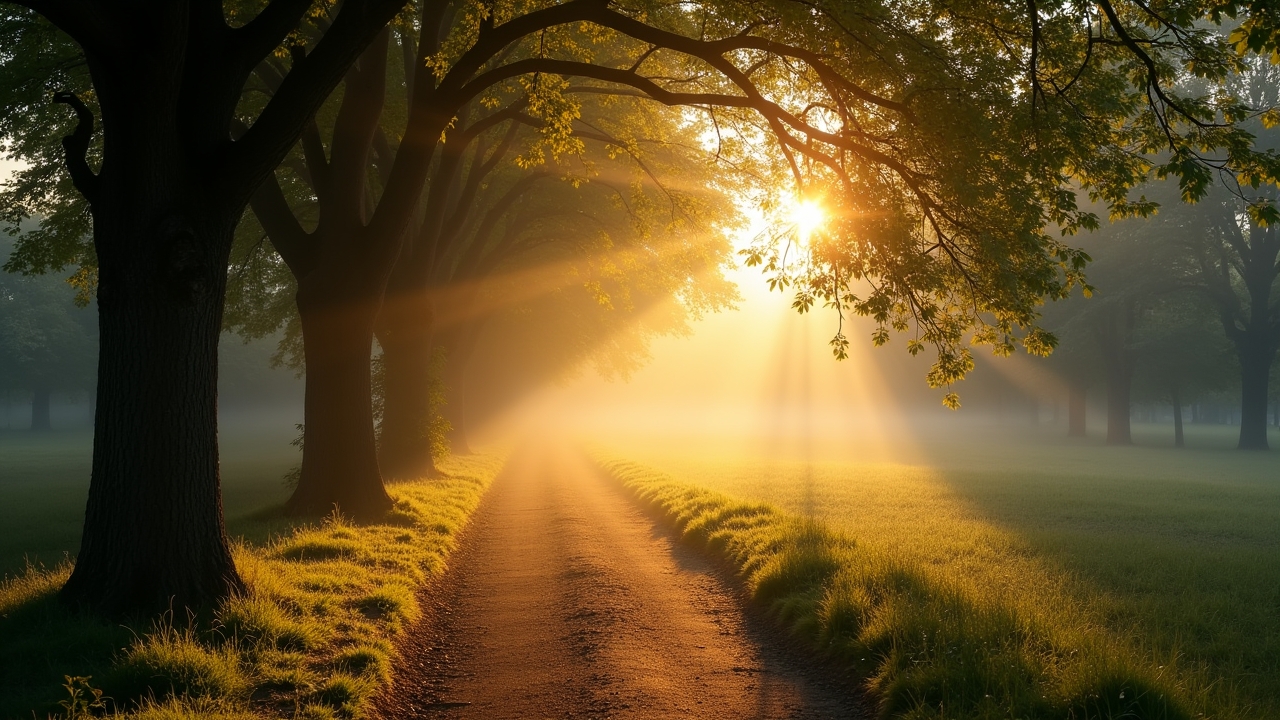
But then I tried again the next morning. This time I left my phone in the car. I actually listened to the birds, felt the breeze, noticed the way sunlight hit the leaves. It sounds cheesy, I know, but something shifted.
By the third day, I was hooked. My shoulders weren’t up by my ears anymore. I was sleeping better. The outdoor therapy thing that everyone kept raving about? It was starting to make sense.
The Science Behind Why Nature Walks Lower Cortisol
This isn’t just hippie talk — there’s real research backing this up. The Japanese practice of shinrin-yoku, or forest bathing, has been studied extensively and shown to reduce cortisol, lower blood pressure, and boost mood. When you walk through green spaces, your body literally downshifts from fight-or-flight mode into rest-and-digest mode.
Exposure to natural environments decreases activity in the prefrontal cortex — the part of your brain that goes into overdrive when you’re ruminating and overthinking. Trees also release phytoncides, which are organic compounds that have been shown to reduce stress hormones. Nature is basically doing the heavy lifting for you.
Practical Tips That Actually Work
After about a year of making nature walks part of my morning routine, here’s what I’ve learned the hard way:
- Start with just 20 minutes. You don’t need an epic two-hour hike. A short walk through a park or along a tree-lined path is enough to trigger cortisol reduction.
- Leave the earbuds at home. I know, I know. But the ambient sounds of nature — birds, wind, crunching leaves — are part of what makes this work. Mindful walking requires you to actually be present.
- Go in the morning if you can. Morning sunlight helps regulate your circadian rhythm, which also plays a role in cortisol regulation. It’s a two-for-one deal.
- Don’t overthink the location. You don’t need a national forest. A neighborhood park, a botanical garden, even a quiet street with big trees will do. Green space is green space.
- Be consistent. One walk won’t fix chronic stress. But five walks a week? That’s where the magic happens.
Your Feet Know the Way Forward
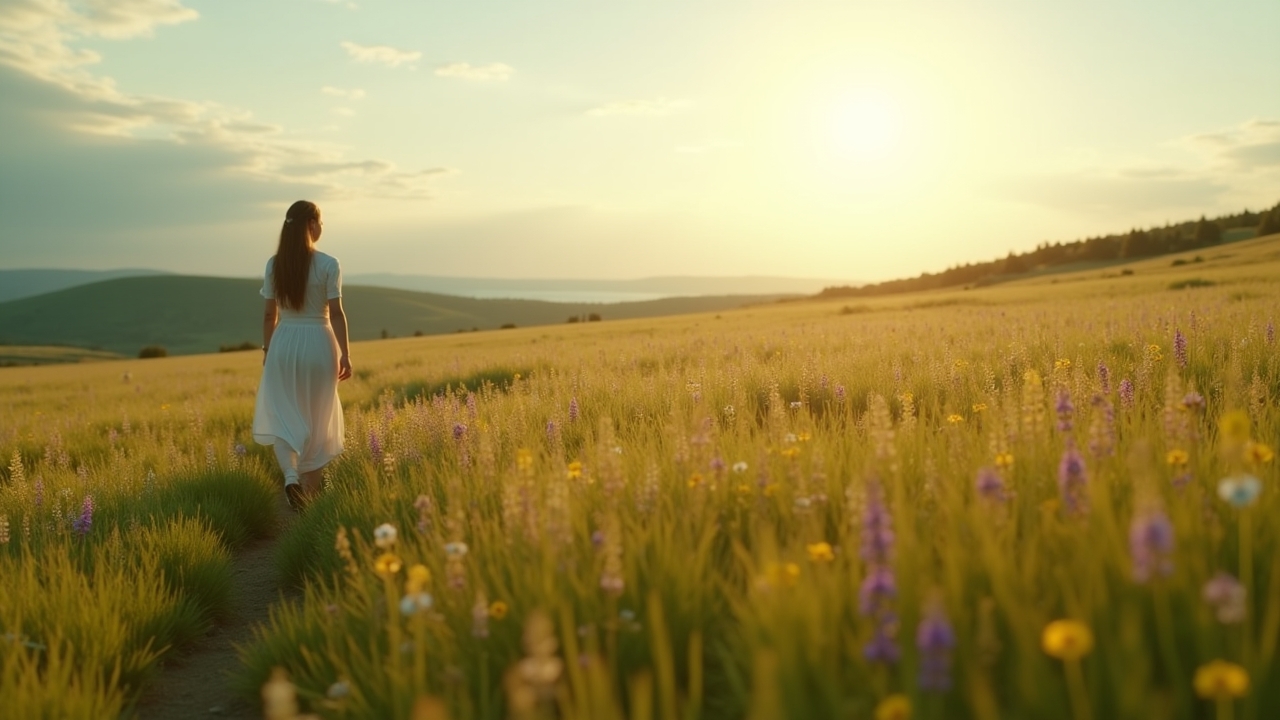
Look, I’m not gonna sit here and tell you that nature walks will solve all your problems. They won’t. But as a natural stress relief strategy that costs nothing and has zero side effects, it’s honestly hard to beat. The research is solid, and my own experience backs it up completely.
Everyone’s stress triggers are different, so adjust this to fit your life. If you have mobility issues, even sitting on a bench surrounded by trees counts. And obviously, if you’re dealing with serious anxiety or health concerns, talk to a professional too.
If you found this helpful, come explore more wellness tips and morning routine ideas over at AM Ritualist. Your cortisol levels will thank you.