Advertisements
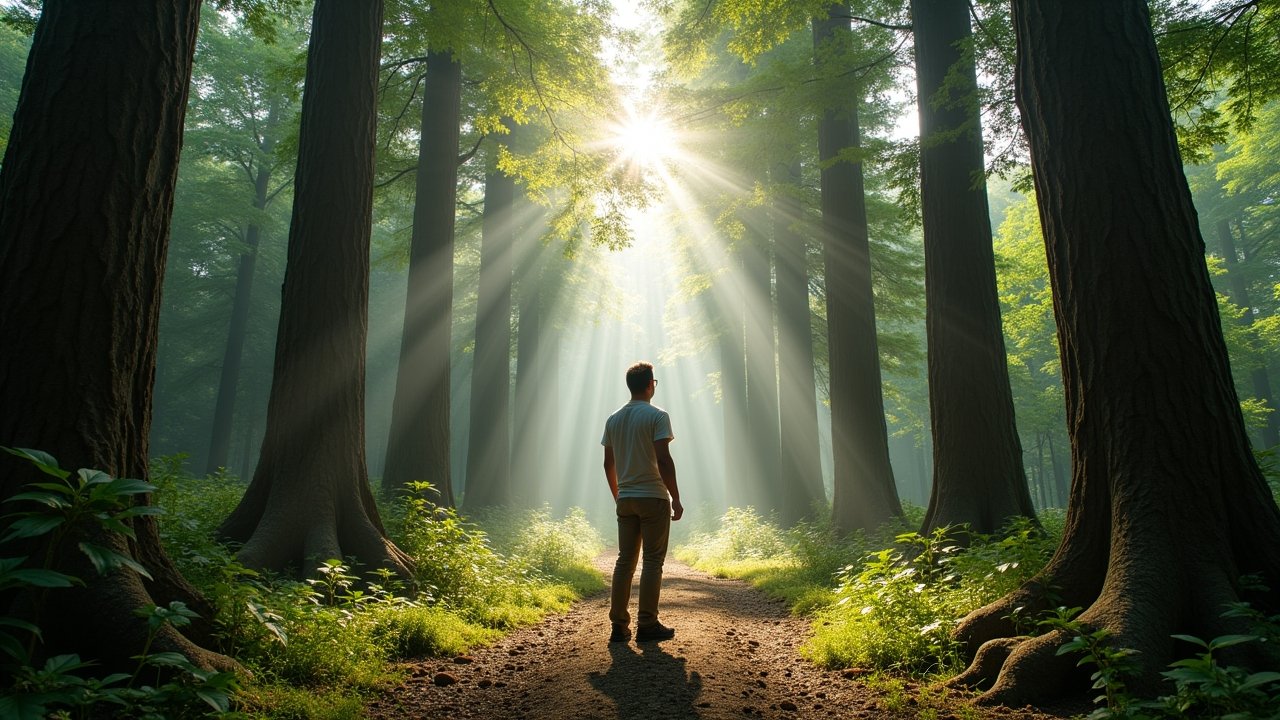
Nature Documentaries vs Real Outdoors: Why My TV Screen Lied to Me
Did you know the average nature documentary takes over 2,000 hours of footage to produce just one hour of screen time? Crazy, right! That statistic hit me hard because I used to think David Attenborough was basically showing me what a walk in the woods looked like. Spoiler alert: it’s not even close, and I learned that the hard way!
I want to talk about this today because so many of us plan our first camping trip or hiking adventure based on what we’ve seen on BBC Earth or Netflix. We show up expecting misty mountains and perfectly timed sunsets, and instead we get bugs. So many bugs.
My First “Documentary-Inspired” Camping Trip Was a Disaster
Back when I was 28, I watched Planet Earth for like the fifth time and decided I was basically ready to become an outdoorsman. I packed my bags, told my buddies we were “syncing with nature,” and drove three hours to a state park. Big mistake.
The documentaries never show you the mosquito clouds. They never show you how loud silence actually is at 2am when you’re alone in a tent. I sat there frozen, convinced every twig snap was a bear, when it was probably just a raccoon looking for my trail mix.
Advertisements
- Real outdoors involves waiting, and waiting, and waiting for wildlife to show up.
- Documentaries compress months of footage into seconds.
- Weather in real life doesn’t care about your schedule or your Instagram lighting.
The Editing Magic Nobody Talks About
Here’s something that took me embarrassingly long to figure out: nature docs use insane camera tech and editing tricks that just aren’t available to regular hikers like us. Slow-motion shots of eagles diving? That’s specialized equipment costing more than my car. Time-lapses of flowers blooming? Weeks of setup.
When you’re actually out there, birds fly away the second you reach for your phone. I’ve missed so many “perfect shots” because my hands were too slow or my phone died at exactly the wrong moment. It’s frustrating honestly, but also kind of funny looking back.
I read this great piece from National Geographic about how wildlife filmmakers sometimes wait literal months for a single scene. Months! Meanwhile I get impatient after twenty minutes of not seeing a deer.
What Real Outdoors Actually Teaches You
Okay so here’s the thing though, the real outdoors gives you something documentaries never can: actual presence. You feel the temperature drop when clouds roll in. You smell pine and dirt and sometimes questionable smells from whatever animal was nearby before you. Your legs actually burn on that trail, not just the narrator’s voice telling you it’s a “challenging ascent.”
I’ve fallen in mud, twisted an ankle on loose rocks, and once ate a granola bar that had melted into a weird goo. None of that makes it into a highlight reel, but it’s real. It’s part of the experience, and honestly it makes the good moments hit different.
Tips I Wish Someone Told Me Before My First Trip
- Lower your expectations for constant wildlife sightings, patience is everything.
- Pack more bug spray than you think you need, seriously, double it.
- Bring a physical map too, because your phone signal disappears exactly when you need it most.
- Check weather apps like Weather.gov obsessively before heading out.
- Don’t expect golden hour lighting on command, sometimes it just rains the whole time.
Semantic Keywords Worth Knowing
Whether you’re comparing documentary footage to firsthand hiking, wildlife photography realism, outdoor survival experience, or nature filmmaking techniques, understanding this gap changes how you plan your next adventure. Words like ecotourism, wilderness immersion, and nature videography all connect back to this same idea: screens simplify, but the woods complicate.
So Which One Wins?
Honestly, neither wins outright, they just do different jobs. Documentaries inspire us, teach us about ecosystems we’ll never visit, and honestly they’re gorgeous. But real outdoors experiences teach humility, patience, and give you stories about that time you got lost for two hours and somehow ended up more grateful for it.
I still watch nature docs almost every week, they’re basically my chill-out ritual after work. But now I also make time for actual trails, actual dirt under my nails, actual silence that isn’t scored with orchestral music. Both matter, just in totally different ways.
If you’re planning your own outdoor adventure soon, do yourself a favor and manage those documentary-fueled expectations a bit! Nature is messier, slower, and honestly way more rewarding when you stop comparing it to what you saw on TV. Stay safe out there, respect wildlife boundaries, and always tell someone your hiking plans before you head off the grid.
Curious for more honest takes on outdoor living, mindful adventures, and real-life rituals that actually work? Check out more posts over at the AM Ritualist blog, there’s plenty more where this came from!