
Advertisements
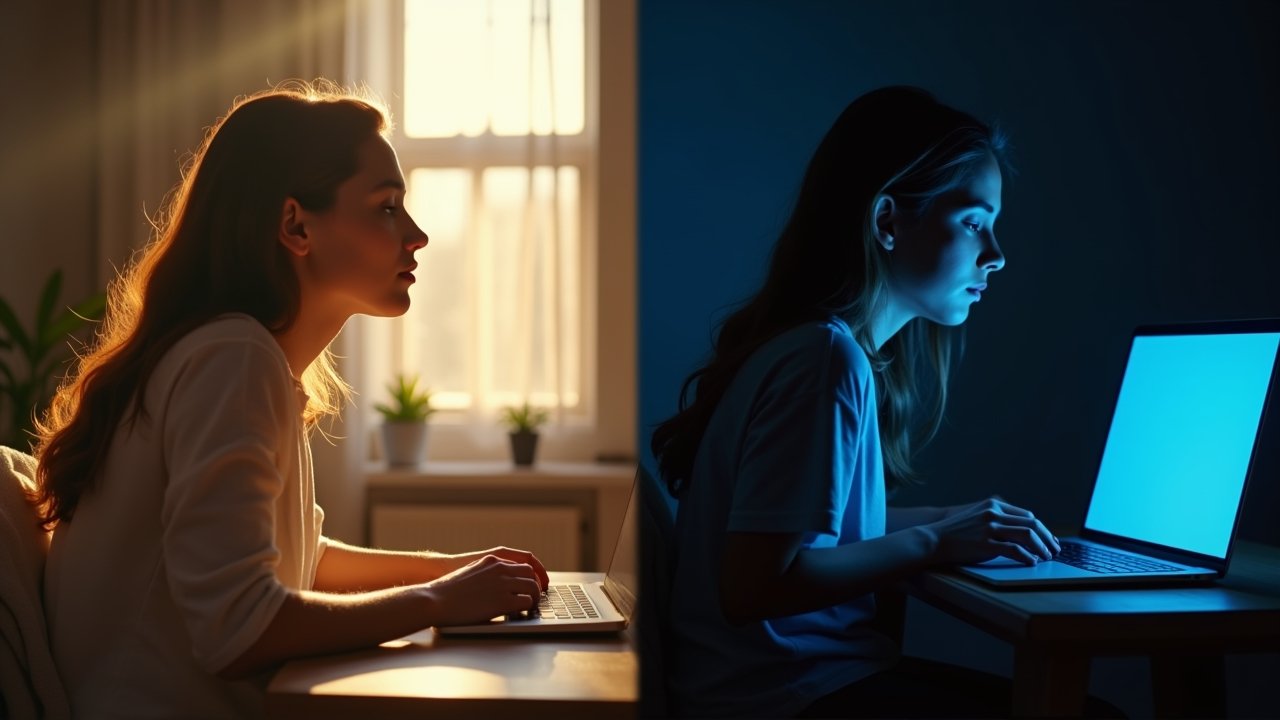
Why My Eyes Started Begging for Mercy (And What I Did About It)
Did you know the average person checks their phone 96 times a day? That’s basically every 10 minutes we’re awake! I read that stat somewhere and just about dropped my own phone in shock. It hit me hard because I realized I was one of those statistics, and my eyeballs were paying the price.
Blue light screens and outdoor wellness might sound like an odd combo to smash together in one sentence. But trust me, once you understand how they’re connected, you’ll never look at your morning coffee-and-scroll routine the same way again!
My Wake-Up Call (Literally)
So here’s the thing. I used to wake up, grab my phone before my feet even hit the floor, and stare at that screen for a good 20 minutes. Bad habit, I know. My eyes felt like sandpaper by 3pm most days, and I blamed everything except the obvious culprit.
Turns out I wasn’t crazy. Research from the American Academy of Ophthalmology confirms that staring at screens for long periods causes digital eye strain. Who knew, right? The blue light itself doesn’t necessarily damage your eyes permanently, but it messes with your sleep cycle and leaves you feeling wired and tired at the same time.
Advertisements
The Sleep Thing Nobody Warns You About
Here’s where it gets sneaky. Blue light suppresses melatonin production, which is the hormone that tells your brain “hey, time for bed.” I was scrolling at midnight wondering why I couldn’t fall asleep until 2am. Classic mistake, and one I made for way too long before connecting the dots.
- Blue light exposure at night tricks your brain into thinking it’s still daytime
- This delays melatonin release by up to 3 hours in some studies
- Poor sleep then makes you MORE likely to reach for your phone out of exhaustion (vicious cycle much?)
Enter Outdoor Wellness (My Actual Saving Grace)
Once I realized screens were wrecking my sleep and my eyes, I did something kind of radical. I started going outside. Sounds simple, maybe even dumb, but it genuinely changed everything for me.
Natural sunlight actually helps regulate your circadian rhythm way better than any blue light blocking glasses ever could. I’m not saying ditch the glasses entirely, they help in a pinch. But nothing beats real sunshine hitting your retinas in the morning to reset your internal clock.
What I Started Doing Differently
I began taking my coffee outside instead of scrolling with it. Small change, huge difference. Within about two weeks I noticed I was falling asleep faster and waking up without wanting to throw my alarm clock across the room.
- Morning walks, even just 10-15 minutes, without checking my phone once
- Eating lunch outside instead of at my desk staring at emails
- Setting a hard cutoff for screens at least an hour before bed
- Using the 20-20-20 rule: every 20 minutes, look at something 20 feet away for 20 seconds
That last one is recommended by eye doctors everywhere, and honestly, it works. I set a timer at first because I kept forgetting, but now it’s just habit.
The Mistakes I Made Along the Way
I’ll be honest, I overcorrected at first. I bought blue light glasses that were, frankly, kind of ugly, and wore them ALL day thinking that alone would fix things. It didn’t. Glasses help reduce strain, sure, but they’re not a magic fix if you’re still glued to a screen for 10 hours straight with zero outdoor breaks.
I also tried going cold turkey on evening screen time, which lasted about two days before I caved and binge-watched something until 1am. Lesson learned: gradual changes stick way better than dramatic ones. Small wins add up.
What Actually Helped Long Term
Combining outdoor time with smarter screen habits made the real difference. Apps that filter blue light in the evening helped too, and honestly the science backs this up. The Harvard Health folks have written extensively about how light exposure timing affects our sleep quality and overall wellness.
I also started keeping my phone in another room while sleeping. Bought an actual alarm clock like it’s 2005 again. Sounds silly but it removed the temptation completely.
Balancing Screens and Sunshine Isn’t All or Nothing
Look, I’m not telling you to throw your laptop into a lake. That’s not realistic for most of us who work on screens all day. What I am saying is that a little intentional outdoor time can offset a lot of that blue light exposure and genuinely improve how you feel.
Your eyes need breaks. Your brain needs real sunlight to know what time it actually is. And your sleep quality depends on giving yourself that buffer zone before bed instead of scrolling until your eyes physically can’t stay open anymore.
Everyone’s situation is different, so figure out what balance works for your schedule and lifestyle. Maybe that’s morning walks, maybe it’s lunch breaks outside, maybe it’s just turning off screens earlier. Whatever you choose, just remember that consistency matters more than perfection here.
If you’re looking for more ways to build wellness habits that actually stick, hop over to the