Advertisements
Garden Therapy: How Growing Plants Helped Me Finally Manage My Stress
Here’s a stat that honestly blew my mind — a study published by researchers in the journal Preventive Medicine Reports found that gardening can reduce stress and anxiety levels just as effectively as some traditional therapies. When I first read that, I was like, yeah right. But then I actually tried it, and wow, it changed everything for me!
I used to think garden therapy was just some trendy wellness buzzword. Turns out, getting your hands dirty in soil and watching something grow from a tiny seed is one of the most powerful stress relief tools out there. Let me walk you through how I stumbled into this and why I think it could help you too.
My Accidental Journey Into Horticultural Therapy
So about three years ago, I was a total mess. Work stress was eating me alive, I wasn’t sleeping great, and my therapist actually suggested I try growing something — anything — as a mindfulness exercise.
I bought a sad little basil plant from the grocery store. That was it. I figured I’d kill it in a week and prove her wrong.
Advertisements
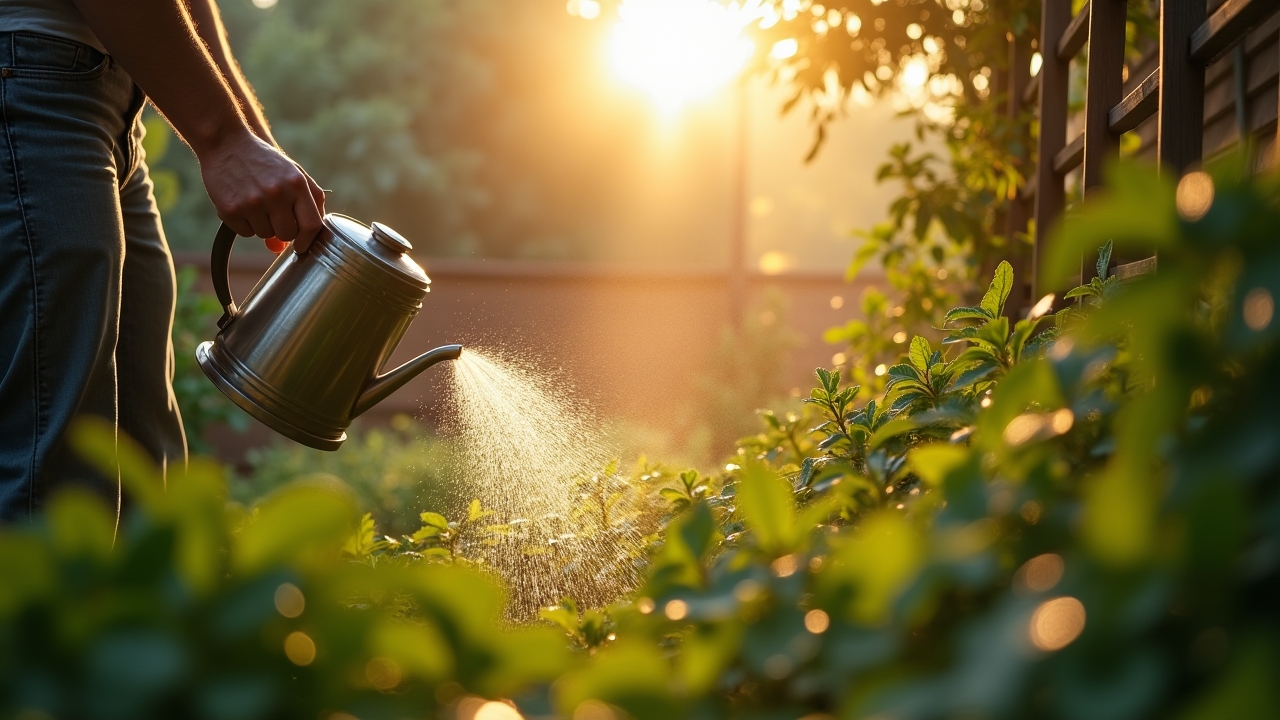
But something weird happened. Every morning, I’d check on that basil, give it water, move it closer to the window. It became this little ritual that grounded me before the chaos of the day kicked in. Within a month, I had three more plants on my windowsill and my cortisol levels felt noticeably lower — even though I didn’t fully understand why at the time.
Why Does Getting Your Hands in Dirt Actually Reduce Anxiety?
Okay, here’s the science-y part, and it’s actually fascinating. There’s a beneficial bacteria in soil called Mycobacterium vaccae that, according to research from the University of Colorado Boulder, triggers the release of serotonin in our brains. Basically, digging in dirt is a natural antidepressant.
On top of that, the repetitive nature of gardening tasks — pruning, watering, repotting — puts your brain into a meditative state. It’s like mindfulness without having to sit still and think about nothing, which honestly I was always terrible at. The physical activity involved also helps release tension that we carry in our bodies from daily stress.
Plants That Are Perfect for Stress-Relief Beginners
Now, I gotta be honest. My first attempt at growing tomatoes was an absolute disaster — leggy stems, no fruit, and a fungus problem I don’t even want to talk about. So start easy, trust me on this one.
Here are some low-maintenance plants that are basically built for beginners:
- Lavender — The scent alone is aromatherapy in a pot, and it’s pretty drought-tolerant once established.
- Snake plants — Nearly impossible to kill. They thrive on neglect, which was been perfect for my forgetful self.
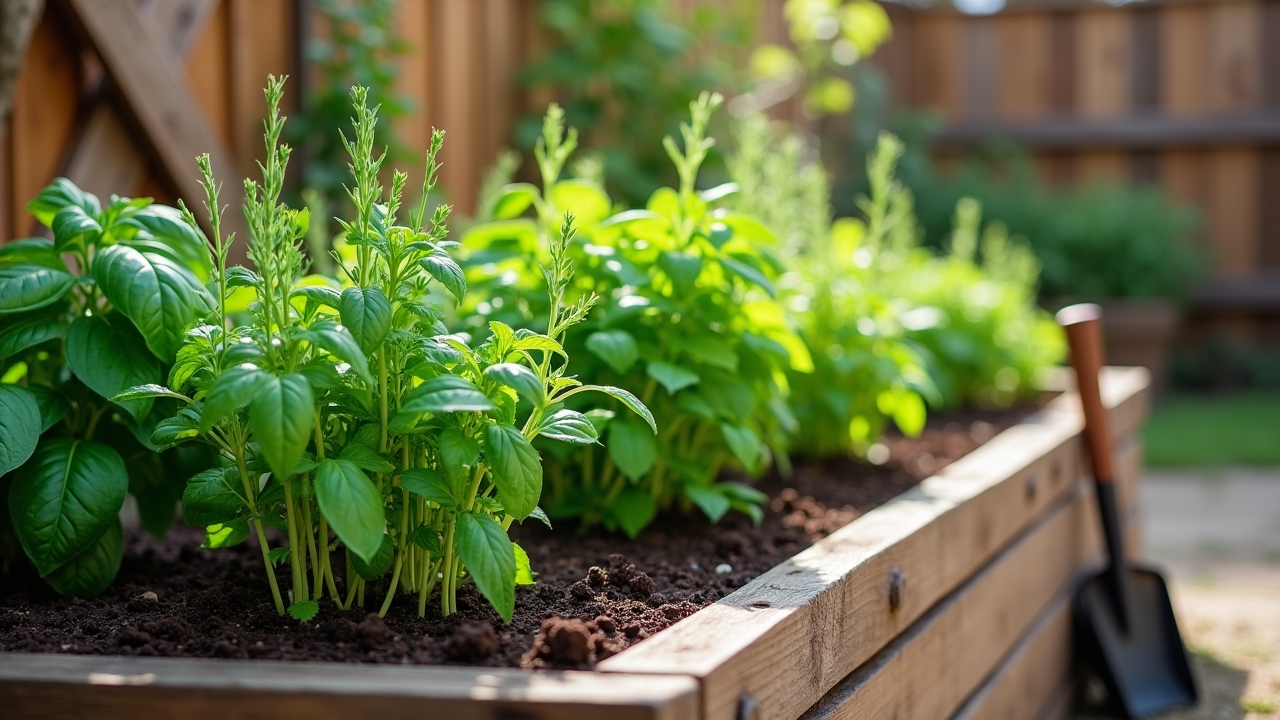
- Herbs like mint and rosemary — They grow fast, smell amazing, and you can actually use them in cooking, which feels super rewarding.
- Succulents — Cute, compact, and incredibly forgiving if you miss a watering or two.
- Pothos — This trailing vine grows in almost any light condition and gives you visible progress quickly.
Building a Simple Garden Therapy Routine
You don’t need a huge backyard or fancy raised beds. I started my entire plant therapy journey on a tiny apartment balcony with some dollar store pots. The key is consistency, not scale.
What worked for me was dedicating just 10-15 minutes each morning to my plants. I’d water them, check for new growth, maybe prune a dead leaf or two. It sounds small, but that quiet time before the world gets loud? Absolute game changer for my mental health.
And here’s a tip I wish someone told me earlier — keep a little garden journal. Writing down what you planted, when you watered, and how your plants are doing creates this beautiful feedback loop of accomplishment. On bad days, flipping through those pages and seeing progress was sometimes the only thing that kept me going.
Your Turn to Grow Something Beautiful
Look, garden therapy isn’t a replacement for professional mental health support — please keep seeing your therapist and taking your meds if that’s part of your plan. But as a complementary practice for managing everyday stress and anxiety, growing plants has been nothing short of transformative for me.
Start small. Be patient with yourself and your plants. You’re both going to grow. If you’re looking for more wellness rituals and self-care inspiration, head over to the AM Ritualist blog — there’s plenty more where this came from!