Advertisements
Dopamine Fasting Outdoors Guide: How Nature Helped Me Reclaim My Brain
Here’s a wild stat that stopped me in my tracks — the average person checks their phone 96 times a day. Ninety-six! When I first read that, I honestly thought it was exaggerated. Then I tracked my own usage and realized I was way above that number.
That’s exactly when I stumbled onto the concept of dopamine fasting, and more specifically, doing it outdoors. Combining a digital detox with time in nature turned out to be one of the most powerful resets I’ve ever experienced. Let me walk you through how I did it and how you can too.
What Even Is Dopamine Fasting?
So dopamine fasting isn’t literally about starving your brain of dopamine — that’s a common misconception I fell for at first. It’s really about reducing overstimulation from things like social media, junk food, video games, and constant notifications. The idea was popularized by Dr. Cameron Sepah, a Harvard-discussed approach to resetting your brain’s reward system.
Think of it this way. Your brain gets used to constant hits of easy pleasure, and eventually the normal stuff — a sunset, a conversation, a quiet walk — stops feeling rewarding. A dopamine fast is basically hitting the reset button.
Advertisements
Why Taking It Outdoors Changes Everything
I tried my first dopamine fast sitting in my apartment, and honestly? It was miserable. I lasted about three hours before I caved and opened Instagram. The temptation was just too close.
But when I moved the whole experiment outside, something clicked. Nature has this sneaky way of filling the void that screens usually occupy. There’s actual research from the APA showing that spending time in green spaces reduces cortisol levels and improves mental clarity. So instead of white-knuckling through boredom indoors, you’re giving your brain something gentle and restorative to engage with.
My Simple Outdoor Dopamine Fasting Protocol
After a few failed attempts, I landed on a routine that actually works. Here’s what I do now, and honestly it’s been a game changer for my morning routine and overall mental health.
- Leave the phone at home. Not on silent. Not in your pocket. At home. This was the hardest part for me but it’s non-negotiable.
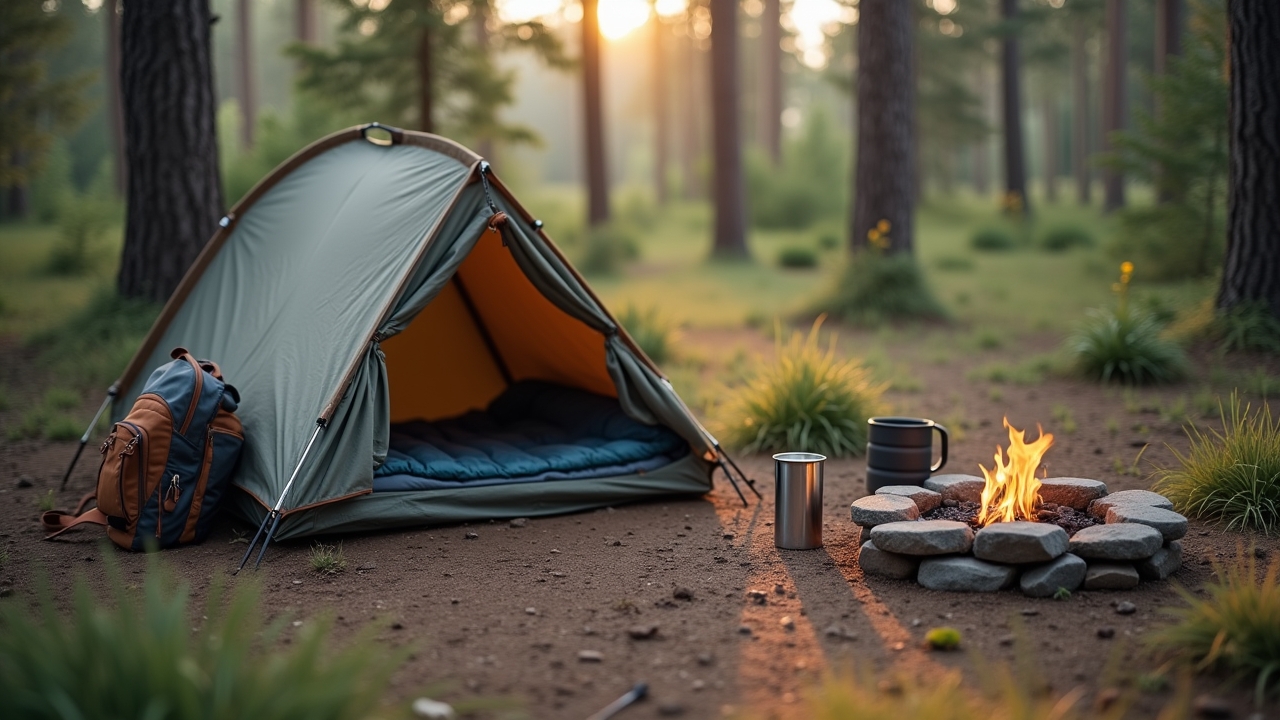
- Pick a natural setting. A local trail, a park, even your backyard. I personally love forest bathing trails — the Japanese practice of shinrin-yoku aligns perfectly with this.
- Go for at least 90 minutes. The first 30 minutes you’ll feel restless and honestly kind of annoyed. Push through it. By minute 60, your senses start sharpening in ways that genuinely surprised me.
- Engage your senses deliberately. Touch tree bark. Listen to birds. Smell the dirt after rain. It sounds corny, I know. But it works.
- No podcasts, no music, no audiobooks. Just you and whatever nature throws at you.
Common Mistakes I Made (So You Don’t Have To)
My biggest screw-up was trying to do a full-day outdoor dopamine fast on my first real attempt. I went on a six-hour hike with zero entertainment and I was so understimulated that I actually got anxious. Start small — 90 minutes to two hours is plenty when you’re beginning.
Another thing I got wrong was picking crowded parks. The whole point is reducing stimulation, so a packed boardwalk with street performers kinda defeats the purpose. Find somewhere quiet where you can actually hear yourself think.
What You’ll Actually Feel Afterward
Here’s the part that keeps me coming back. After a good outdoor dopamine fast, regular life feels… richer? Colors seem a bit more vivid, food tastes better, and conversations feel more engaging. It’s not some magical transformation — it’s just your brain recalibrating to appreciate normal levels of stimulation again.
I also noticed my sleep improved dramatically on days I did this practice. That alone was worth the initial discomfort.
Your Brain Will Thank You Later
Look, dopamine fasting outdoors isn’t about punishing yourself or becoming some screen-free monk. It’s about giving your overstimulated brain a breather so you can actually enjoy your life more. Customize this to fit your schedule and comfort level — there’s no single right way to do it.
Just be mindful of basic outdoor safety — bring water, tell someone where you’re going, and wear appropriate footwear. For more guides on building intentional daily habits and morning rituals that actually stick, check out the rest of the posts on AM Ritualist. Your future self will appreciate it.