Advertisements
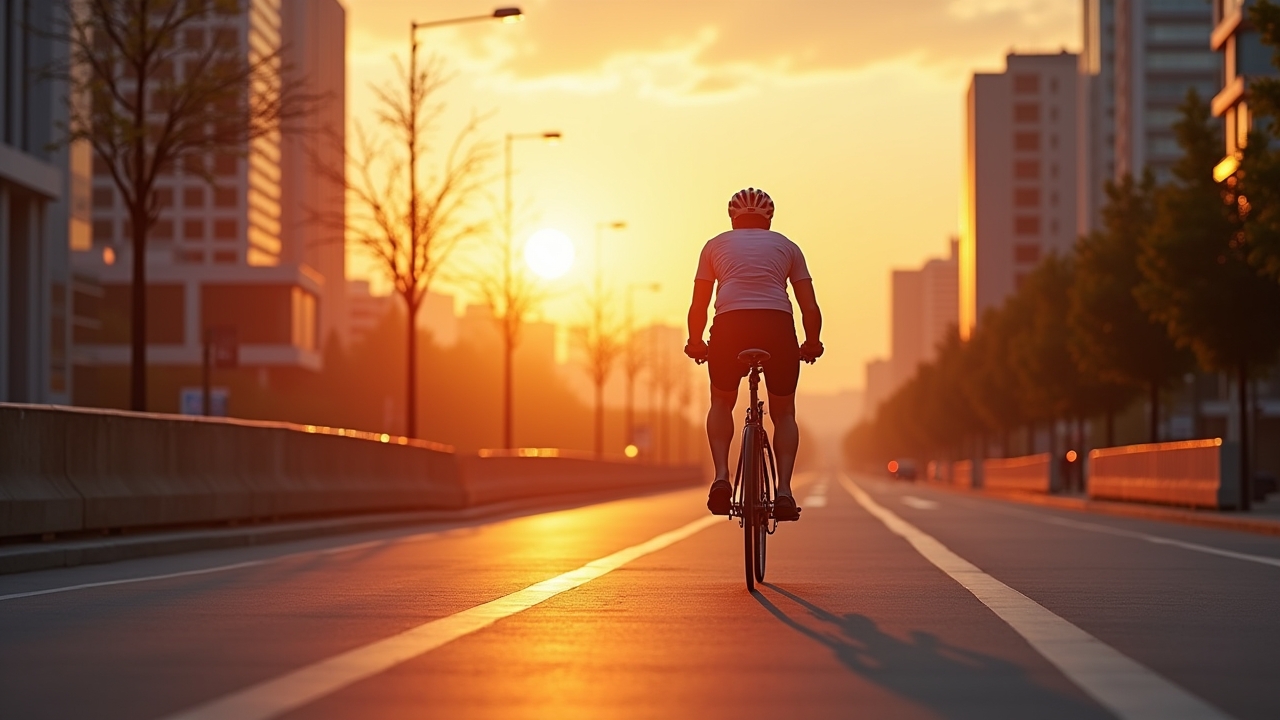
How Cycling to Work Changed My Body, My Brain, and My Entire Morning
Here’s a stat that honestly blew my mind: people who bike commute regularly report up to a 41% lower risk of premature death compared to those who drive. Forty-one percent! I stumbled across that number about three years ago while sitting in bumper-to-bumper traffic, feeling like my soul was slowly leaking out through the car vents. That was the week I decided to start cycling to work, and honestly, it’s one of the best decisions I’ve ever made for my body and my productivity.
The First Week Was Humbling (Really Humbling)
I’m not gonna sugarcoat it — my first cycling commute was a disaster. My route was only about seven miles, but I showed up to work drenched in sweat, my legs felt like jelly, and I’d forgotten to pack a change of shirt. Classic rookie move.
But something weird happened that morning. Despite the sweaty mess, my brain felt sharper than it had in months. I breezed through emails, knocked out a presentation draft before lunch, and didn’t hit that dreaded 2 p.m. slump. The physical exercise had basically jumpstarted my mental energy in a way that coffee never could.
What Cycling Actually Does to Your Body Over Time
After about six weeks of consistent bike commuting, the changes in my body were hard to ignore. I dropped around eight pounds without changing my diet at all. My cardiovascular fitness improved so much that I wasn’t even winded going up the hill near my office anymore.
Advertisements
According to Harvard Health, regular cycling strengthens your heart, builds lean muscle in your legs and core, and improves joint mobility. What surprised me most was the core strength — turns out, balancing on a bike for 30 minutes each way engages your abs and lower back way more than you’d think. My posture at my desk actually got better, which was a nice side effect nobody warned me about.
The Productivity Boost Is Real (And Science Backs It Up)
This is the part that keeps me pedaling even on cold mornings. Exercise before work has been shown to improve focus, memory, and creative thinking for several hours afterward. A study from the International Journal of Workplace Health Management found that employees who exercised during the workday reported better time management and increased mental performance.
I’ve experienced this firsthand. On days I bike, I’m noticeably more productive — I make fewer mistakes, I’m more patient in meetings, and my problem-solving feels quicker. On days I drive, it’s like my brain is running on dial-up internet. The difference is honestly kind of wild.
Practical Tips I Wish Someone Had Told Me
If you’re thinking about starting a cycling commute, here’s what I’ve learned the hard way:
- Start with two or three days a week. Don’t go all-in immediately or you’ll burn out. Your body needs time to adjust to the routine.
- Pack your work clothes the night before. I cannot stress this enough. I once had to teach a class in bike shorts because I forgot my pants.
- Invest in a decent pair of padded shorts. Your backside will thank you after week one.
- Use a route-planning app like Komoot to find bike-friendly roads. Avoiding high-traffic streets makes the ride way more enjoyable and safer.
- Keep baby wipes at your desk. Not glamorous, but a total game-changer when your office doesn’t have a shower.
It’s Also Done Wonders for My Mental Health
I didn’t expect this one. But replacing a stressful commute with 30 minutes of fresh air and movement completely transformed my morning mindset. Road rage was replaced by birdsong — sounds cheesy, but it’s true. The rhythmic nature of pedaling became almost meditative for me, and I started arriving at work feeling calm instead of agitated.
Your Morning Routine Deserves an Upgrade
Look, cycling to work isn’t for everyone, and that’s totally fine. Maybe your commute is too long, or the roads aren’t safe enough. But if it’s even remotely possible, give it a shot for just two weeks. The changes in your body, your energy levels, and your daily output might genuinely surprise you.
Always wear a helmet, follow local traffic laws, and make yourself visible with lights and reflective gear. Safety first, always. And if you’re looking for more ways to optimize your mornings and build habits that actually stick, check out more posts on AM Ritualist — we’re all about making those early hours count!