
Advertisements
App-Free Fitness: Why No Tracker Training Might Be the Best Thing You Ever Try
Here’s a stat that honestly blew my mind — the average person checks their fitness app around 96 times a day. Ninety-six! I used to be that person, obsessively glancing at my wrist between sets, making sure my heart rate was in “the zone.” But somewhere along the way, I realized I was spending more energy managing my devices than actually working out. That’s when I stumbled into app-free fitness, and honestly, it changed everything for me.
How I Became a Slave to My Smartwatch
A couple years ago, I was the guy who wouldn’t start a run until my GPS had fully synced. If my tracker died mid-workout, I’d genuinely consider starting over because “it didn’t count.” Ridiculous, right?
The breaking point came during a hike with my kids. Instead of enjoying this gorgeous trail, I was stressing about whether my wearable was accurately logging my elevation gain. My daughter literally said, “Dad, just look at the trees.” That one stung. She was right, though.
So I ditched the tracker. Cold turkey. And what happened next was something I really wasn’t expecting — I actually started enjoying exercise again.
Advertisements
What Exactly Is No Tracker Training?
App-free fitness is basically exercising without relying on any digital device to guide, monitor, or validate your workout. No smartwatch, no phone app, no calorie counter. You just move your body and pay attention to how it feels.
This concept is sometimes called intuitive exercise or mindful movement. The idea is that your body already knows how to tell you what’s working. You’ve just been outsourcing that job to a screen for too long.
Why Going Device-Free Actually Works
Look, I’m not anti-technology. But there’s growing evidence that constant self-monitoring can actually increase anxiety and reduce enjoyment during physical activity. A study published in Psychology of Sport and Exercise found that people who relied heavily on fitness trackers reported lower satisfaction with their workouts compared to those who trained by feel.
When I stopped checking my stats, I noticed something wild. I started pushing harder naturally because I was listening to my body instead of waiting for a notification to tell me I was doing good enough. My bodyweight training sessions got more intense, my outdoor runs felt more free, and I wasn’t dreading exercise anymore.
Practical Tips for Ditching the Apps
Alright, so you’re curious. Here’s what actually worked for me when transitioning to tracker-free workouts:
- Use the talk test for cardio intensity. If you can hold a conversation, you’re at a moderate pace. If you’re gasping between words, you’re in high intensity territory. Simple as that.
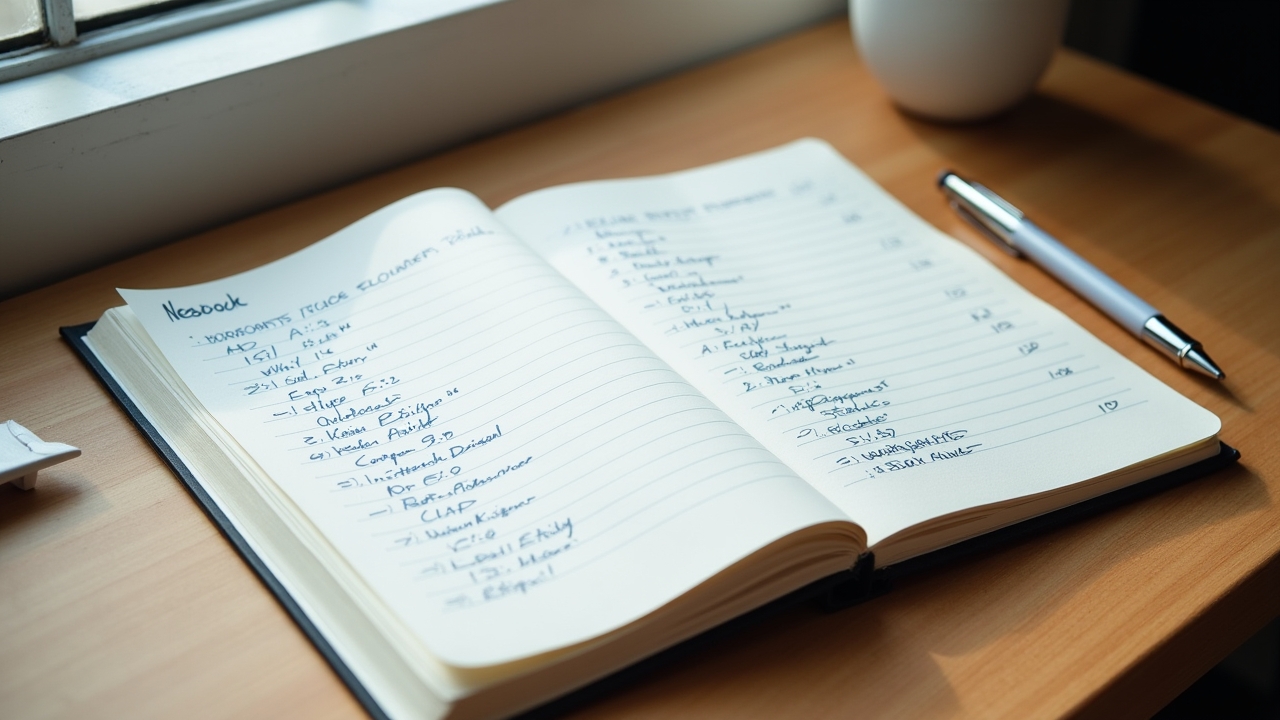
- Write workouts on paper. I keep a small notebook in my gym bag. Old school, yeah, but it keeps me focused without the rabbit hole of checking Instagram between sets.
- Set a kitchen timer. You don’t need a fancy interval app for HIIT training. A basic timer on your microwave or a cheap stopwatch does the exact same thing.
- Learn RPE (Rate of Perceived Exertion). This is a scale from 1-10 where you rate how hard you’re working. It’s been used by coaches for decades and it’s surprisingly accurate once you get the hang of it.
- Go outside. Seriously, outdoor exercise without headphones or a phone is almost meditative. Try a trail run or a park workout and just be present.
When You Might Still Want a Tracker
I gotta be fair here. If you have a medical condition that requires heart rate monitoring, obviously keep using your device. Same goes for folks training for a specific competition where precise data matters. No tracker training isn’t about being reckless — it’s about reclaiming the joy of movement for everyday fitness.
Also, if you’re brand new to exercise, a tracker can help you build initial awareness of your body. But think of it like training wheels. Eventually, you should be able to ride without them.
Your Body Already Knows What to Do
The whole point of app-free fitness is trusting yourself again. We’ve been conditioned to believe that if it’s not tracked, it’s wasted. But people got strong and healthy for thousands of years before Fitbit existed.
Start small — try one workout this week without any device. Just you and the work. You might be surprised how liberating it feels. And hey, if you’re looking for more ways to build better daily habits without the digital noise, check out more posts over at AM Ritualist. We’re all about keeping things simple, intentional, and actually enjoyable.