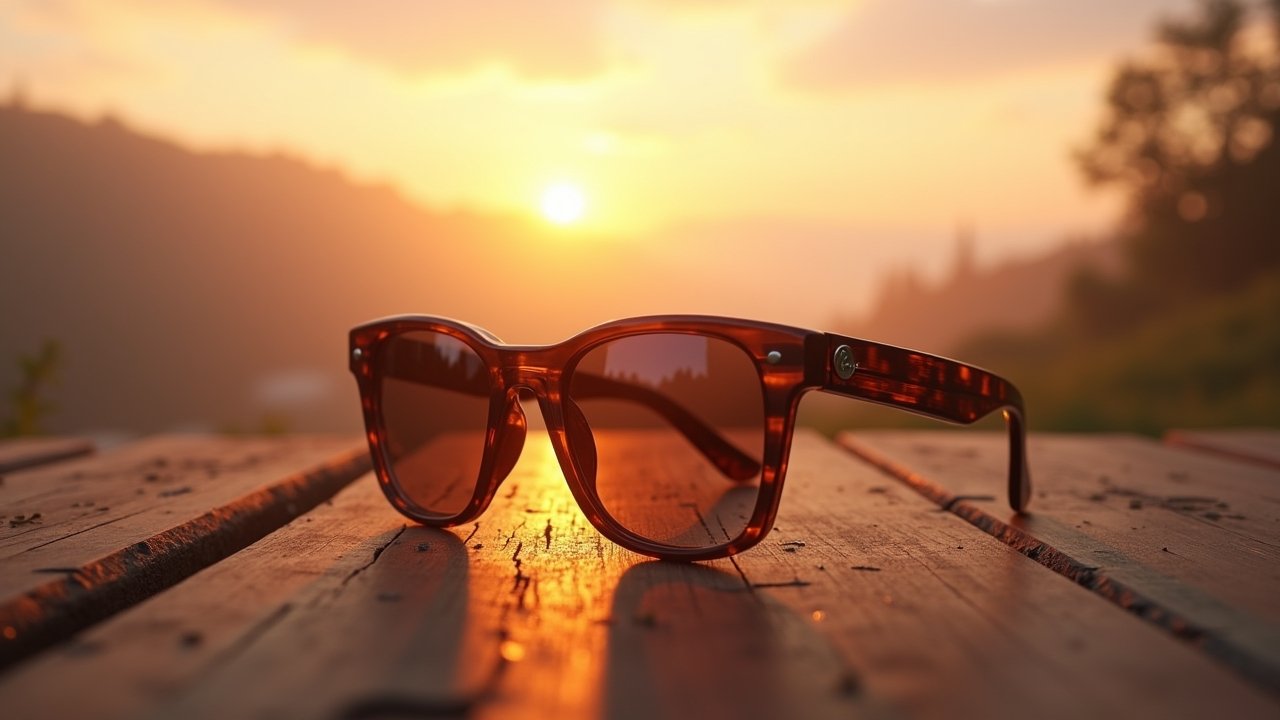
Advertisements
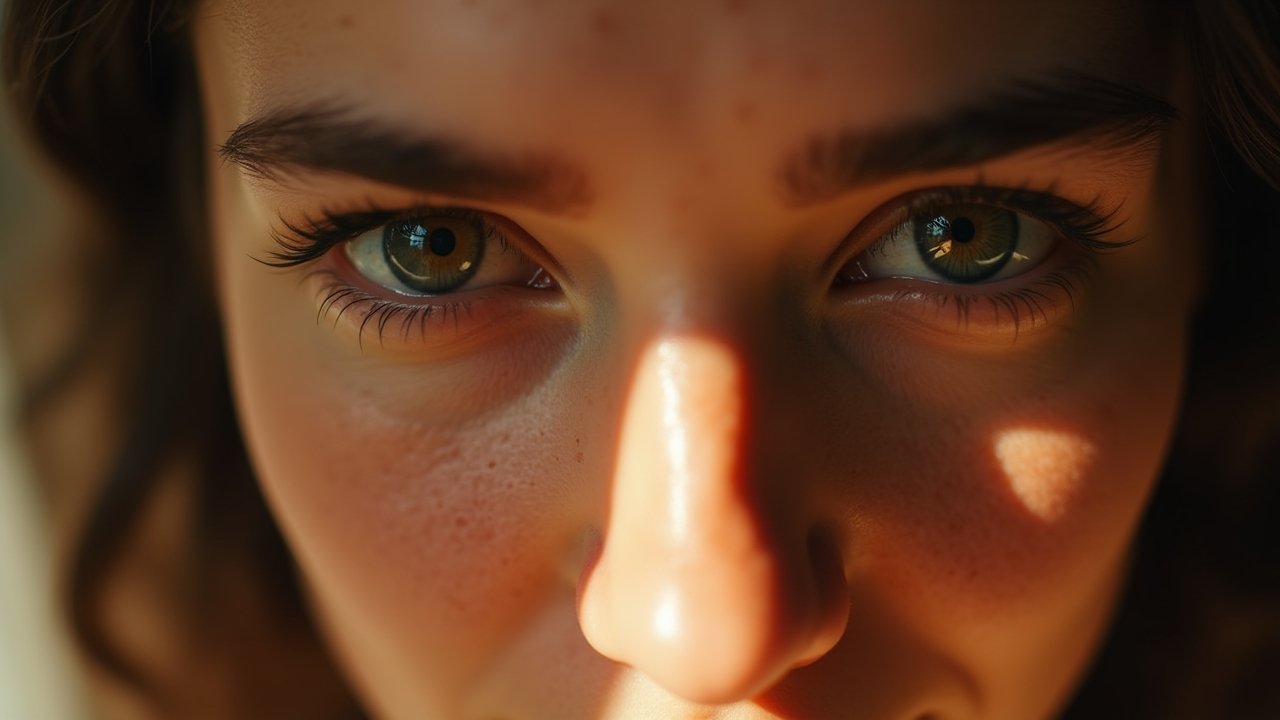
Why Morning Sunlight Might Be Wrecking Your Eyes (And Nobody Told You)
Did you know your eyes are actually more sensitive to UV damage in the early morning than most people realize? I sure didn’t, until I spent three straight mornings squinting like an idiot on my drive to work, eyes watering, practically blind for the first ten minutes of my commute! It’s a real problem, and honestly, it’s one of those things nobody warns you about until you’re dealing with headaches and eye strain on the regular.
I used to think sunglasses were a summer beach thing, or something you wore in the afternoon when the sun was blasting overhead. Turns out I was dead wrong. Morning sun hits at a lower angle, which means it’s coming straight at your eyeballs instead of down from above. That’s actually worse in some ways than midday sun.
My Wake-Up Call (Literally)
So here’s what happened. I was driving east one morning, straight into a sunrise that looked gorgeous on Instagram but felt like staring into a flashlight in real life. I missed my turn. I almost rear-ended someone at a stoplight because I genuinely couldn’t see the light change. That was my moment of “okay, I need sunglasses in my car, permanently, starting now.”
After that little scare, I started researching why morning light is such a menace. According to the American Academy of Ophthalmology, UV exposure is cumulative and can contribute to cataracts and other long-term eye damage, regardless of what time of day you’re getting hit with it. Morning sun isn’t necessarily more intense in terms of UV index, but the angle makes it way more likely to hit your eyes directly instead of your skin or the top of your head.
Advertisements
The Angle Problem Nobody Talks About
- Low-angle morning sun shines almost horizontally, right into your line of sight
- This is especially brutal during sunrise commutes, morning runs, or walking the dog
- Your pupils are still adjusting from sleep, making them extra sensitive
- Glare off wet grass, windshields, or pavement makes it worse
I didn’t think about that glare thing until I started running in the mornings. Wet grass in autumn? Absolute nightmare without sunglasses. It’s like a mirror aimed right at your face.
What I Learned About Picking the Right Pair
Not all sunglasses are created equal, and I learned this the hard way after buying a cheap gas station pair that honestly did nothing except make everything darker (not the same as blocking UV, by the way). Turns out there’s a real difference between sunglasses that look cool and ones that actually protect you.
Here’s what I look for now, after way too much trial and error:
- 100% UVA/UVB protection, labeled clearly on the tag, don’t skip this
- Polarized lenses to cut down glare from roads, water, or wet grass
- Wraparound or larger frames that block light sneaking in from the sides
- Darker tints for direct morning sun, lighter tints for cloudy days
The FDA actually regulates UV protection labeling on sunglasses, so it’s worth checking that before you buy. I wish I’d known that years ago instead of assuming darker automatically meant safer. Spoiler: it doesn’t.
A Quick Story About Polarized Lenses
My buddy Dave swore polarized lenses were a marketing gimmick, just an excuse to charge more for basically the same thing. I believed him for way too long, being cheap and all. Then I borrowed his fancy polarized pair on a morning drive and, well, I was floored. Suddenly the glare bouncing off other cars and the road just disappeared. Dave was wrong, and I never let him forget it.
Timing Matters More Than You’d Think
I started paying attention to when exactly the sun becomes a problem, and it’s usually within an hour of sunrise. That’s when the angle is lowest and the glare is worst. If you’re driving, walking, or exercising during that window, sunglasses aren’t optional anymore, they’re basically safety gear.
I keep a pair in my car, one by my front door, and one in my gym bag now. Yes, that’s three pairs of sunglasses. Was that necessary? Probably not. Has it saved me from squinting into oblivion multiple times a week? Absolutely.
Little Things That Made a Big Difference
- Keeping sunglasses within arm’s reach at all times (car, bag, jacket pocket)
- Checking the UV index on my weather app, even in winter
- Wearing a hat with a brim alongside sunglasses on especially bright mornings
- Not waiting until my eyes hurt to put them on, being proactive instead
That last one took me forever to learn. I used to wait until I was already squinting and uncomfortable before reaching for my sunglasses, which honestly defeats the purpose a little. Prevention beats damage control every single time with this stuff.
Making This Work For You
Look, everyone’s morning routine and sensitivity to light is different, so take what works for you and toss the rest. Maybe you don’t need three pairs of sunglasses like me, but having at least one reliable, UV-protective pair within reach each morning is a small habit that pays off in a big way. Your eyes will thank you later, trust me on that one.
Just remember, protecting your eyes from morning sun isn’t about vanity or looking cool (