Advertisements
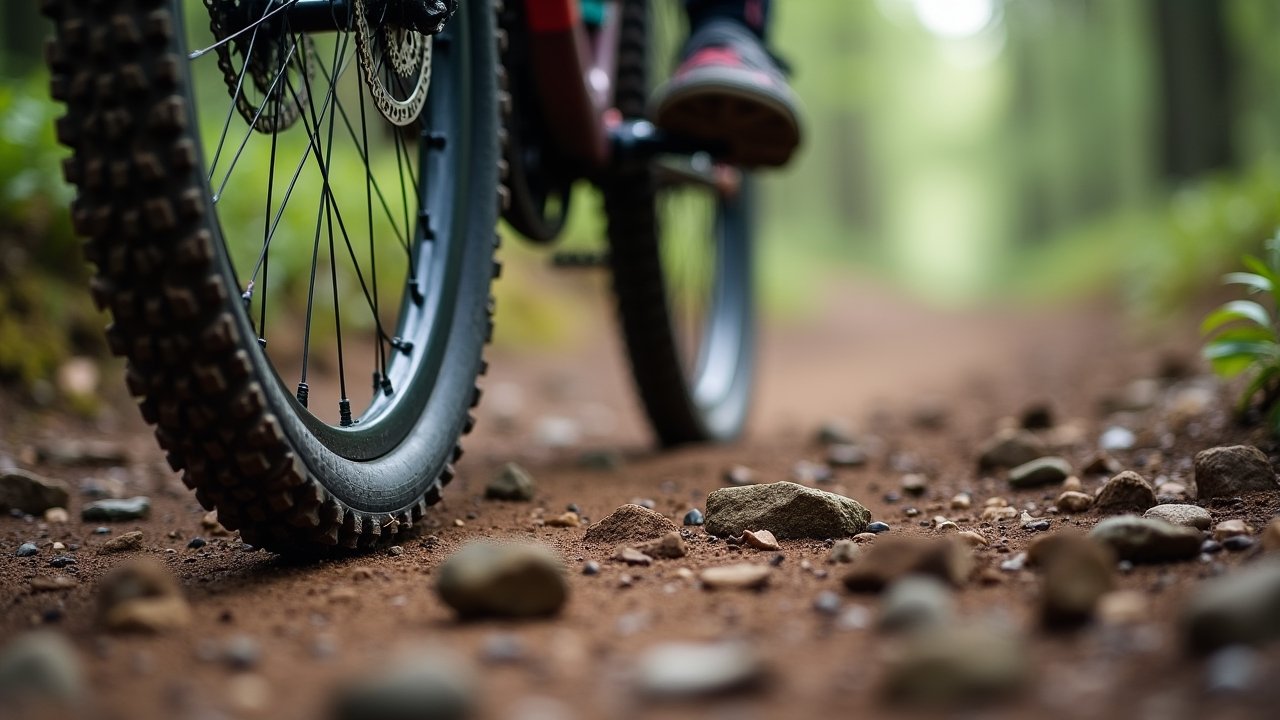
Trail Cycling Beginners Gear: What I Wish Someone Told Me Before My First Ride
Did you know almost 30% of new mountain bikers quit within their first year? I read that stat after my own rough start, and honestly, it didn’t surprise me one bit! Trail cycling can be one of the most freeing things you ever do, but showing up unprepared will crush that excitement fast. Let me save you some pain, some money, and maybe a trip to urgent care.
My First Trail Ride Was a Disaster
I still cringe thinking about it. I borrowed my buddy’s old hardtail, wore basketball shorts, and didn’t even bring water. Big mistake. Halfway through a moderate trail near my house, I was dehydrated, my hands were blistered from cheap gloves, and I ate dirt twice because my tires had zero grip left in them.
That day taught me gear isn’t just about looking the part. It’s about survival, comfort, and actually enjoying the ride instead of suffering through it. So let’s talk about what actually matters.
The Bike Itself: Don’t Overthink It, But Don’t Cheap Out Either
You don’t need a $4,000 rig to start. A solid hardtail mountain bike with decent suspension will do just fine for most beginner trails. I eventually upgraded to a mid-range trail bike after wrecking my confidence (and my tailbone) on that borrowed clunker, and it made a world of difference.
Advertisements
- Look for at least 100mm of front suspension travel
- Hydraulic disc brakes are worth the extra cost, trust me
- Tire clearance matters if you plan to ride varied terrain
Check out REI’s mountain bike buying guide for a deeper breakdown of what fits your budget and riding style.
Helmets and Protective Gear Aren’t Optional
I know, I know, helmets mess up your hair. Wear one anyway. I skipped proper protective gear on that disaster ride and ended up with scraped elbows that stung for a week. A trail-specific helmet with more coverage than a road bike helmet is the way to go.
- Full-coverage mountain bike helmet (MIPS technology is a plus)
- Padded gloves, not the thin cycling ones
- Knee pads if you’re hitting anything technical
The Bicycling.com helmet guide has solid recommendations if you’re overwhelmed by options, and believe me, there are a lot of options.
Clothing That Actually Works for the Trail
Basketball shorts were rookie mistake number one for me. Cotton soaks up sweat and rubs you raw after a few miles. Moisture-wicking fabrics changed everything once I finally invested in proper mountain bike shorts and a padded liner.
Layering matters too, especially if you’re riding somewhere with unpredictable weather. I’ve been caught in sudden rain more times than I’d like to admit, and a lightweight rain shell has saved my rides on multiple occasions.
Quick Clothing Checklist
- Moisture-wicking base layer
- Padded mountain bike shorts
- Breathable, quick-dry socks
- Lightweight rain jacket for unpredictable weather
Hydration and Nutrition, Because Bonking Sucks
Nothing humbles you like bonking three miles from your car with no water. I learned this the hard way and had to be rescued by a fellow rider who happened to have an extra bottle. Now I never leave without a hydration pack, and neither should you.
- Hydration pack or at least two water bottles
- Energy chews or a couple granola bars stashed in your pack
- Electrolyte tablets for longer rides in heat
For longer trail days, Trailforks is a great resource for checking trail length and difficulty beforehand, so you know how much fuel and water to pack.
Tools and Repair Kit: Because Flats Happen
I’ve had three flats on trails so far this year alone. Three! Each time, having a basic repair kit meant the difference between finishing my ride and walking my bike two miles back to the trailhead.
- Multi-tool with Allen wrenches
- Spare tube and tire levers
- Mini pump or CO2 inflator
- Patch kit as a backup
Keep this stuff in a small saddle bag under your seat. It’s not glamorous, but it’s a lifesaver, literally, if you’re riding remote trails alone.
Navigation and Safety Gear
Getting a little lost is part of the adventure, but getting seriously lost isn’t fun for anyone. I once took a wrong turn on an unfamiliar trail system and ended up adding an unplanned six miles to my ride. Not fun when you’re already running low on water.
- GPS bike computer or a trail app on your phone
- Portable phone charger for longer rides
- Whistle or small first aid kit for emergencies
Making Trail Cycling Your Own Thing
Every rider’s setup