Advertisements
Why Founders Are Quitting Social Media (And Why I Almost Did Too)
Did you know that a growing number of startup founders are straight up deleting their Twitter/X accounts, going dark on LinkedIn, and disappearing from Instagram altogether? Crazy, right! I remember scrolling through my feed last year, watching founder after founder post their “goodbye social media” threads, and thinking… wait, is this actually a thing now?
Turns out it is. And honestly? I get it more than I ever expected to.
My Own Near-Breakdown With the Algorithm
So here’s a story I don’t tell often. Back in 2022, I was running a small SaaS product and I was OBSESSED with growing my following. Like, unhealthily obsessed. I’d wake up, check my notifications before I even got out of bed, and spend a solid two hours crafting the “perfect” tweet thread.
One morning I posted something I thought was brilliant. Got crickets. Zero engagement. I remember sitting there, coffee going cold, feeling like a total failure. That was messed up, honestly, because my actual business was doing fine that week. I just let a stupid algorithm dictate my mood for the entire day.
Advertisements
That was my wake-up call, but it took me another eight months to actually do something about it.
The Real Reasons Founders Are Stepping Away
I’ve talked to a bunch of other founders (in real life, funny enough, not online) and the reasons keep repeating themselves.
- Constant comparison to other founders’ “highlight reels” that are probably fake anyway
- Time suck — some founders reported losing 3+ hours a day to mindless scrolling
- Anxiety spikes tied directly to post performance
- Feeling pressure to perform a version of themselves that isn’t real
- Getting dragged into pointless online arguments that drain energy
There’s actual research backing this up too. A study published by the American Psychological Association found strong links between heavy social media use and increased anxiety and depression symptoms. It’s not just founders being dramatic, this stuff is measurable.
What Happens When You Actually Quit (Or Cut Back)
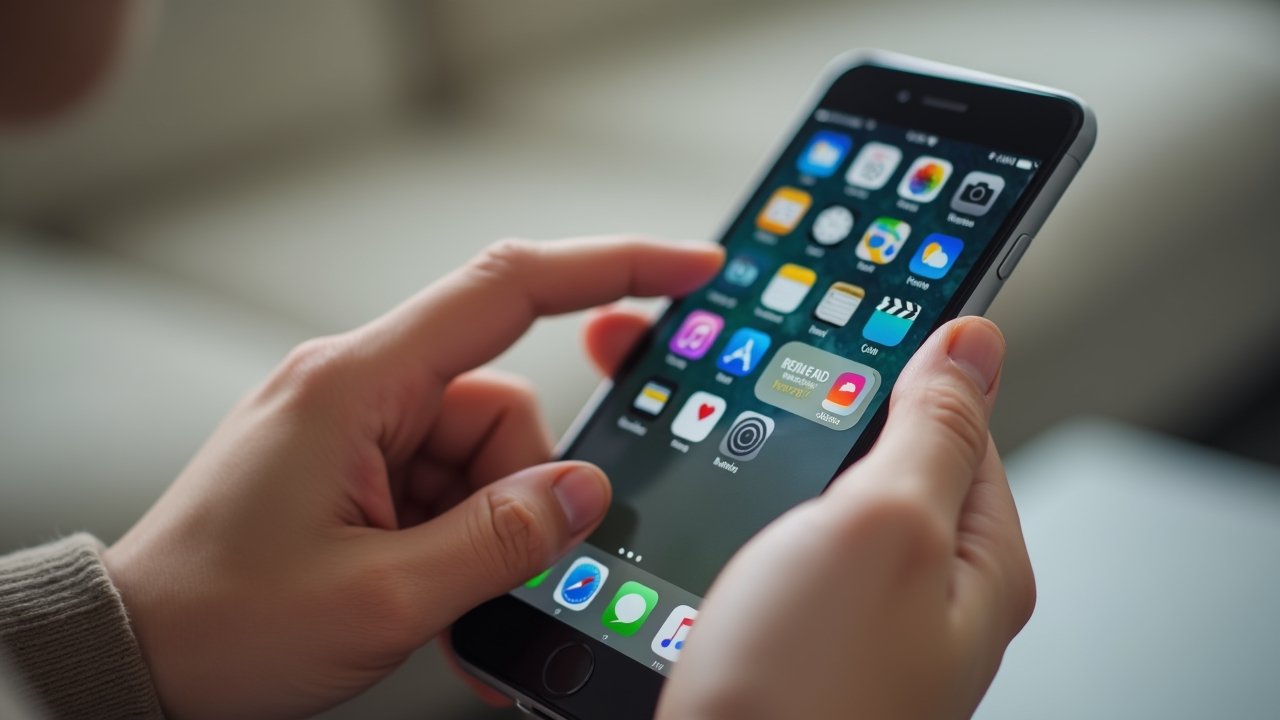
I didn’t fully quit, not gonna lie, but I did a 90-day detox where I deleted Twitter and Instagram from my phone. First week was rough, ngl. I kept reaching for my phone like a phantom limb thing.
But by week three? Man, the clarity was insane. I started reading actual books again. I had deeper conversations with my team because I wasn’t half-distracted thinking about my next post. My product actually improved because I was spending that mental energy on customers instead of clout.
Basecamp co-founder Jason Fried has talked publicly about this too, he’s been pretty vocal about stepping back from the noise of social platforms to focus on what he calls “calm business.” Worth checking out his writing on his blog if you want another founder’s perspective on this.
Practical Tips If You’re Thinking About Quitting Too
Okay so if you’re a founder reading this and nodding along, here’s what actually worked for me and a few friends who did the same thing.
- Start with a 30-day break, not a permanent goodbye post (those feel dramatic and you’ll probably come back anyway)
- Delete the apps, don’t just “try to use it less” — that never works, trust me
- Tell your team or co-founder so they can hold you accountable
- Replace the scrolling time with something specific, like walking or reading
- Set a rule: no phone in the first hour after waking up
I’ll admit, I still slip sometimes. There was this one week where I got sucked back into a Twitter argument about pricing models and wasted an entire afternoon. It happens. Don’t beat yourself up, just get back on track.
Is Quitting Completely Realistic for Every Founder?
Honestly? No, and I want to be real with you here. Some founders need social media for marketing, especially if you’re bootstrapped and can’t afford ads. There’s a difference between using social media strategically versus letting it use you.
Maybe the answer isn’t full deletion but more like boundaries. Post twice a week, schedule it in advance, and then log off. That’s what I do now, and it’s been a game changer for my mental health without tanking my marketing efforts.
A Few Final Thoughts Before You Close This Tab
Look, whether you go full digital hermit or just dial things back, the point is being intentional about it. Social media isn’t inherently evil, but it’s designed to hook you, and founders especially are vulnerable because our egos are already tied up in “building something great.” Adjust whatever advice here fits your own situation, what worked for me might not work for you, and that’s totally fine.
Just remember to be honest with yourself about why you’re using these platforms in the first place, and always keep your own wellbeing as the priority over vanity metrics.
If this resonated with you even a little, come hang out with us over at the AM Ritualist blog, we’ve got a bunch of other posts on building healthier habits as a founder (or just as a human trying to survive the internet age).