Advertisements
The No Phone Before Bed Challenge: How Ditching My Screen Changed Everything
Here’s a stat that honestly shook me — according to the Sleep Foundation, using your phone before bed can delay your sleep onset by a full hour. A whole hour! I used to think I was immune to that kind of thing, scrolling through Instagram at midnight like it was no big deal, until I realized I hadn’t had a genuinely restful night in months.
That’s when I stumbled onto the no phone before bed challenge, and honestly, it kinda changed my life. Let me walk you through what happened when I actually committed to it.
What Exactly Is the No Phone Before Bed Challenge?
The concept is dead simple. You stop using your phone at least 30 to 60 minutes before you go to sleep — no scrolling, no texting, no “just one more video.” Some people go hardcore and banish the phone from the bedroom entirely.
The idea behind it is that the blue light emitted by screens messes with your melatonin production, which is the hormone that tells your brain it’s time to wind down. But it’s not just about the light. It’s the mental stimulation too — your brain doesn’t know how to relax when you’re feeding it a nonstop stream of content right up until you close your eyes.
Advertisements
My First Week Was Honestly Brutal
I’m not gonna sugarcoat it. The first three nights were rough. I kept reaching for my phone like some kind of reflex, and my hand would just go to the nightstand on autopilot.
I remember lying there on night two thinking, “What do people even DO before bed without a phone?” It felt ridiculous. I was a grown adult who had apparently forgotten how to just… exist without a screen.
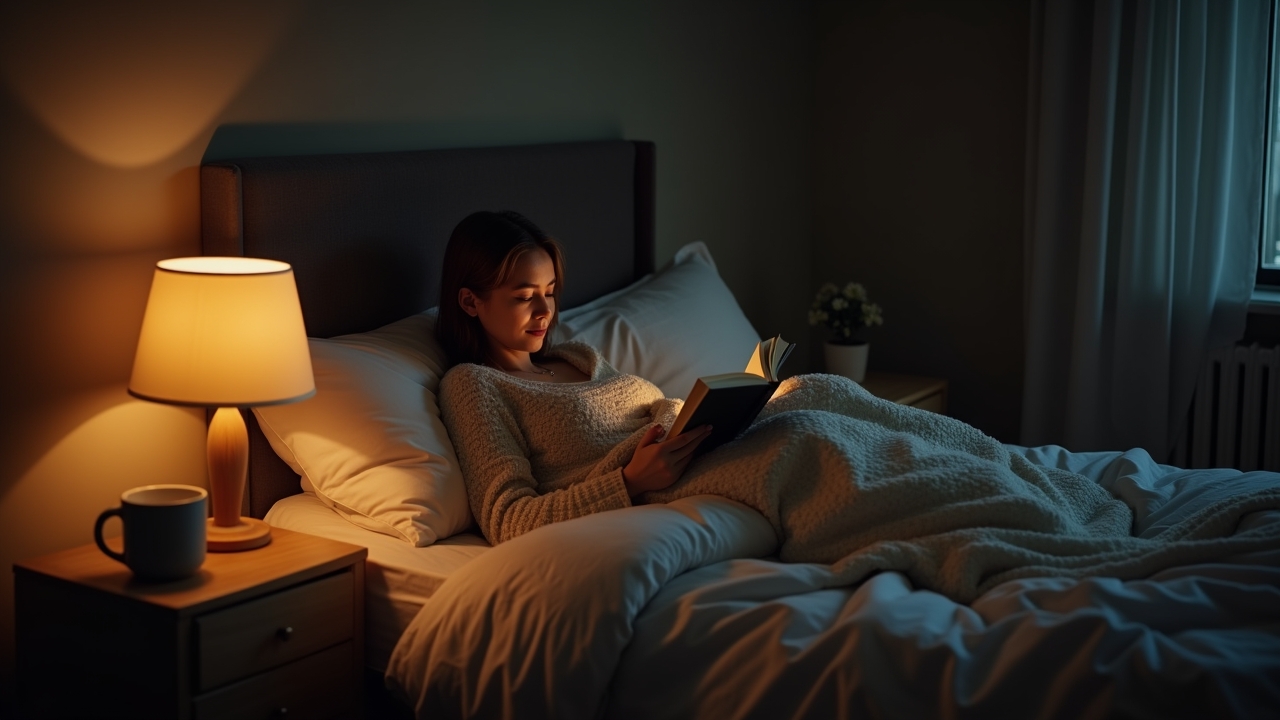
By night four though, something shifted. I picked up a book that had been collecting dust for like six months and actually read 30 pages. Fell asleep without even realizing it was happening, which hadn’t occurred in forever.
What I Replaced My Screen Time With
You gotta fill the gap with something, or you’ll cave. Trust me on this one. Here’s what actually worked for me:
- Reading a physical book — not a Kindle, an actual paper book
- Journaling for about 10 minutes, just dumping whatever was on my mind
- Doing some light stretching or a short bedtime meditation
- Having an actual conversation with my partner (revolutionary, I know)
- Listening to a podcast with the screen face-down and a sleep timer set
The journaling was a game changer I wasn’t expecting. Turns out a lot of my late-night scrolling was really just me avoiding my own thoughts, and writing them down made my brain feel so much quieter.
The Results After 30 Days — No Exaggeration
After a full month of the digital detox before bed, my sleep quality improved dramatically. I was falling asleep faster, waking up less during the night, and — this is the big one — I actually felt rested in the morning. Like, genuinely rested.
My morning routine got better too because I wasn’t starting the day already exhausted. I had more patience with my students (I teach eighth grade, so that’s saying something). Even my anxiety felt more manageable, which tracks with what research from the APA says about reducing nighttime screen exposure.
One unexpected win? My relationship with my phone during the day improved. I became more intentional about when and why I was picking it up, not just during bedtime hours.
Tips If You’re Thinking About Trying It
Start small — even 15 minutes of no phone before bed is better than nothing. Use a real alarm clock so you don’t need the phone on your nightstand. And tell someone you’re doing it, because accountability makes a huge difference.
Also, don’t beat yourself up if you slip. I grabbed my phone on night nine without thinking and scrolled for 20 minutes before I caught myself. It happens. The point is building a healthier nighttime routine over time, not being perfect.
Your Turn to Unplug
Look, this challenge isn’t some miracle cure for everything. But if your sleep hygiene has been garbage and you’re tired of being tired, putting the phone down before bed is one of the simplest changes you can make. Customize it to fit your life — maybe it’s 20 minutes, maybe it’s a full hour.
Just be kind to yourself through the process. And if you’re looking for more ideas on building better morning and evening habits, check out more posts over at AM Ritualist — we’re all about those small daily shifts that actually stick.